Berberine Dosage: How Much to Take Per Day and How to Time It
Quick answer: how much berberine should you take per day?
Most berberine research uses 500 mg taken two or three times a day, for a daily total of about 1,000 to 1,500 mg, swallowed with or shortly before meals. Splitting the dose matters because berberine clears quickly and one large dose causes more stomach upset. Effects typically build gradually over eight to twelve weeks, not overnight, which is roughly the follow-up window used in the trials gathered by a 2021 systematic review and meta-analysis of berberine and metabolic profiles in type 2 diabetes.
- Studied amount: 500 mg, two or three times daily, totalling roughly 1,000 to 1,500 mg.
- Timing: taken with or just before meals to work on the carbohydrate you eat and ease the stomach.
- Patience: readings in trials shifted over eight to twelve weeks, not in days.
The most common mistake with berberine has nothing to do with the ingredient and everything to do with the berberine dosage on the label. People buy one big capsule, swallow it once a day whenever they remember, get a sore stomach, and conclude the supplement does not agree with them. In almost every case the amount was defensible and the schedule was wrong. Getting the dosing right is the difference between mirroring what the studies did and inventing your own experiment.
This guide covers the practical questions in order: how many milligrams a day the research actually used, whether to take berberine before or after food, why the dose is split across the day, and how long it realistically takes before anything shows up on a meter. None of it is medical advice or a promise of results. It is a plain-language map of what the trials did, so you can hold any product against that benchmark.
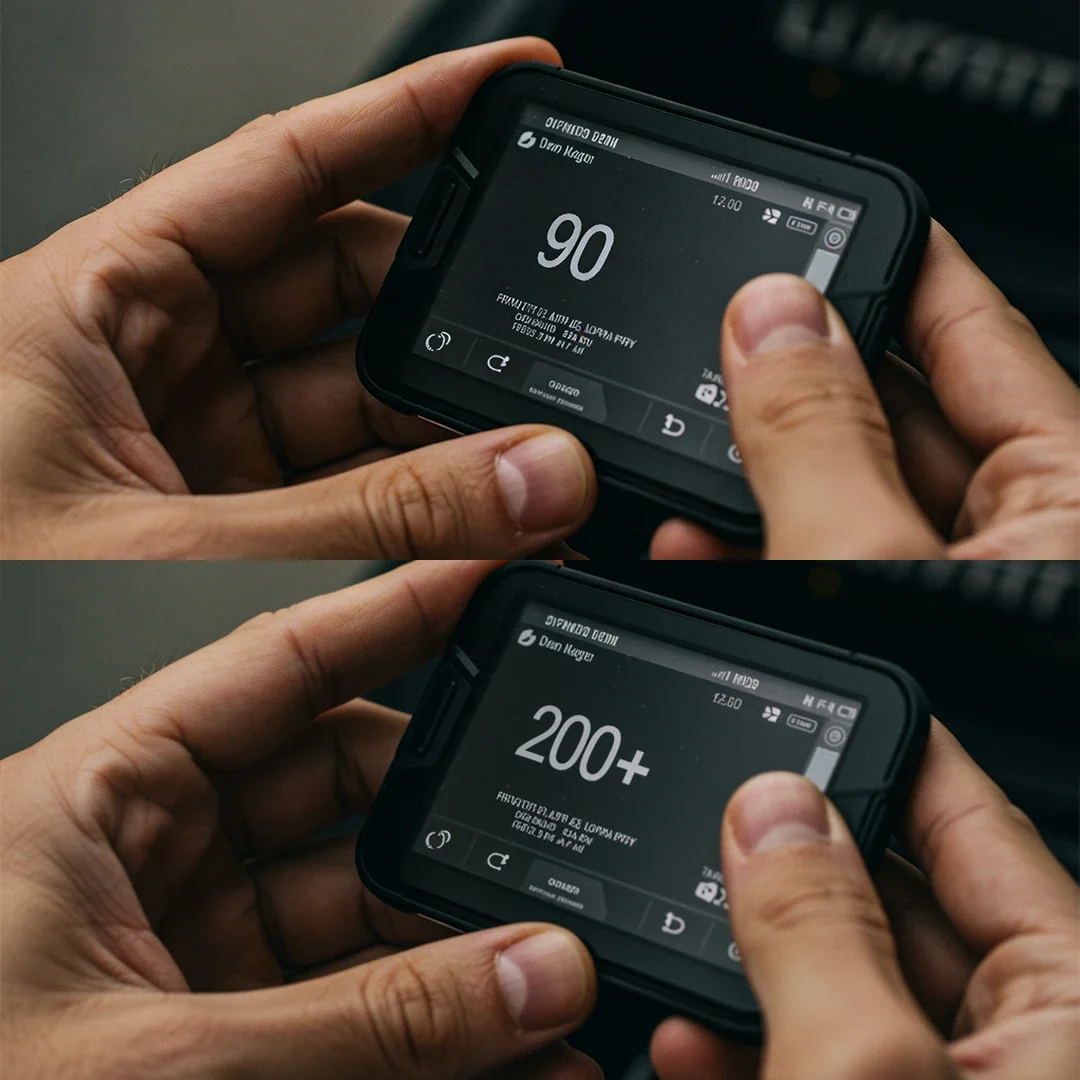
How many milligrams of berberine per day?
The number to remember is 500 mg, taken two or three times a day, for a daily total of roughly 1,000 to 1,500 mg. That range is not a marketing figure; it is the amount used most consistently across the randomised human trials, and it is the benchmark every honest label should be measured against. Search behaviour reflects it too: berberine 500 mg is one of the most searched forms of the ingredient, precisely because that per-capsule amount slots neatly into a two or three times daily schedule.
Going above that range is where shoppers get into trouble. There is no evidence that 2,000 or 3,000 mg a day produces a proportionally bigger effect, and there is very good evidence that it produces a bigger stomach ache. More is not better here; matching the studied amount is better. If a product asks you to take a handful of capsules to reach 1,500 mg, or hides berberine inside a proprietary blend so you cannot tell how much you are getting, the dosage question has already been answered for you, and not in your favour.
Before or after meals: when to take berberine
Berberine is taken with a meal or in the ten to thirty minutes before one. There are two reasons, one about effect and one about comfort. The effect reason is that berberine is thought to influence how carbohydrate is digested and how glucose is handled after eating, so having it on board when food arrives is the logical window. The comfort reason is more immediate: a dose on an empty stomach is far more likely to cause cramping, nausea and loose stools than the same dose taken alongside food. The underlying reason is absorption: pharmacokinetic work in rats, published in Drug Metabolism and Disposition traced berberine's very low oral bioavailability to extensive first-pass elimination in the gut wall and liver, which is exactly why so much of a dose stays in the intestine.
Because the studied schedule is two or three times a day, the natural anchors are your two or three main meals. Breakfast, lunch and dinner give you an easy, repeatable pattern, and consistency at the same meals each day matters more than hitting an exact minute. Missing a dose is not a crisis; simply resume at the next meal rather than doubling up, which only stacks the digestive load you were trying to spread out in the first place.
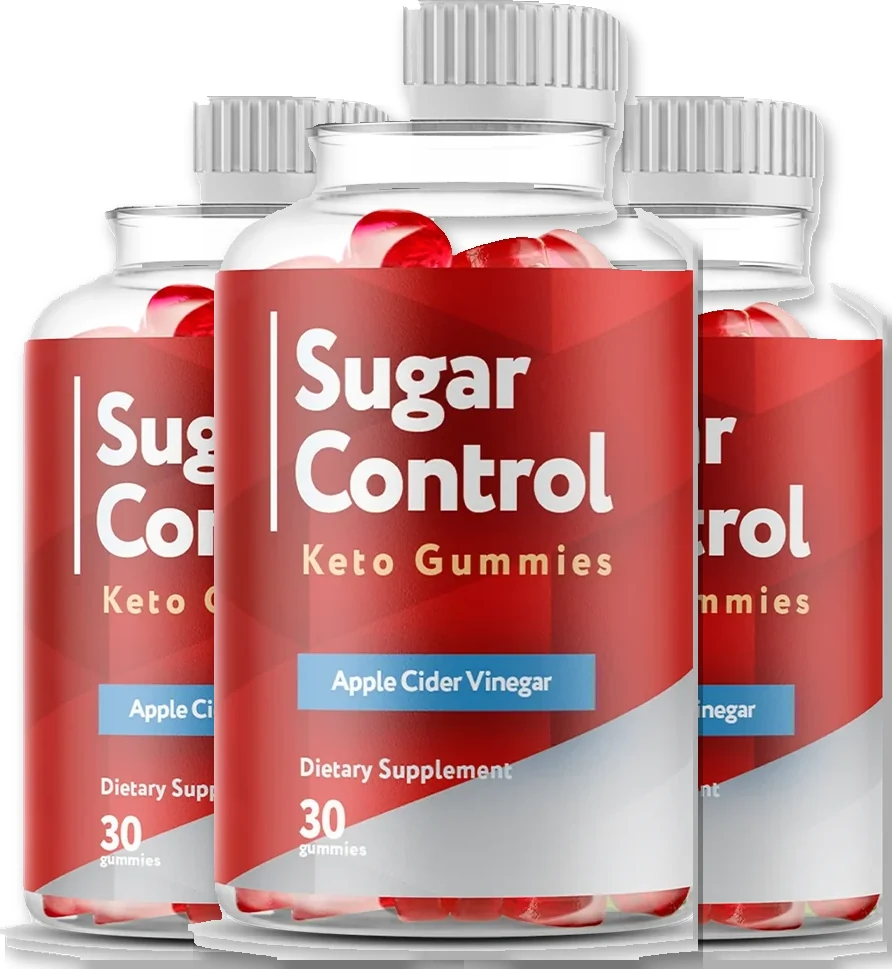
Weighing a berberine capsule against a daily gummy
SugarControl is an apple cider vinegar gummy, not a berberine capsule, so its serving is a fixed daily chew rather than a split 500 mg schedule. Supply sizes, shipping and the guarantee window are set by the manufacturer, and the official store is the only place the price you were quoted can be confirmed.
See Availability at the Official StoreWhy splitting the berberine dose matters
Splitting is not a preference; it is baked into how the molecule behaves. Berberine is poorly absorbed, with oral bioavailability in the low single digits, and what does get into the blood clears out quickly. A single 1,500 mg dose once a day produces a brief spike and then a long trough, which is nothing like the steady exposure the trials created with a divided schedule. Two or three smaller doses keep blood levels more even across the day, which is the whole point.
There is a second, very practical payoff. Splitting the dose is the single most effective way to reduce the digestive side effects that make people quit. Half the amount hitting your gut at any one time means roughly half the irritation. If you have read that berberine gave someone terrible diarrhoea, the odds are they took it all at once, on an empty stomach, at a high total dose. The absorption problem is also why enhanced forms exist; we compare them in detail in our guide to dihydroberberine versus berberine absorption, where a better-absorbed form allows lower daily amounts.
| Time of day | Amount | Taken with | Why |
|---|---|---|---|
| Breakfast | 500 mg | Food | Covers the morning meal and eases the stomach |
| Lunch (optional third dose) | 500 mg | Food | Keeps blood levels steadier through the day |
| Dinner | 500 mg | Food | Covers the evening meal; completes the 1,000–1,500 mg total |
| Daily total | 1,000–1,500 mg | — | Matches the amount used most often in trials |
How long before berberine does anything?
This is where realistic expectations save a lot of disappointment. Berberine is not a fast-acting compound, and the trials that measured changes in glucose markers ran for eight to twelve weeks, sometimes longer. Any shift in fasting readings or in the longer-term glucose marker HbA1c builds gradually over that window, not in the first few days. If you take one capsule, check your meter the next morning and see no change, you have learned nothing except that berberine is not an instant fix, which it was never claimed to be.
The practical implication is that you should judge a berberine dosage over a couple of months of consistent use, alongside the diet and activity that every trial ran on top of, rather than over a weekend. That timeline also applies to most ingredients in this category. We cover the wider pattern in our overview of Alpha-Lipoic Acid and Blood Sugar: What the Evidence Actually Shows, and the underlying evidence for berberine specifically in our review of what the research on berberine shows.
Can you take too much berberine?
Yes, and the ceiling matters. Pushing past the studied 1,000 to 1,500 mg a day does not buy a proven extra benefit; it mostly buys more cramping, more diarrhoea and more nausea. Beyond comfort, higher intakes raise the stakes on interactions, because berberine influences the CYP450 enzymes and the P-glycoprotein transporter that process a large share of prescription drugs. The more berberine in your system, the more relevant those interactions become, and NCCIH's guidance on diabetes and dietary supplements is blunt that a supplement should be discussed with the clinician managing your treatment rather than substituted for it. What the research does not establish is any dose at which berberine becomes a treatment.
There is no benefit in treating the label maximum as a starting point to beat. A sensible approach is to begin at the lower end, once or twice a day with food, see how your stomach responds over a week, and only then build toward the full studied total if you tolerate it well. And because interactions are the genuinely serious risk rather than the stomach upset, anyone on medication should read our Apple Cider Vinegar & Cinnamon for Blood Sugar: What the Evidence Shows and clear the supplement with a pharmacist before starting.
Common berberine dosing mistakes to avoid
A handful of errors account for most bad experiences. Taking the whole day's amount in one dose, which spikes the gut and flattens the blood-level curve. Taking it on an empty stomach, which turns mild side effects into severe ones. Chasing a bigger number in the belief that more milligrams mean faster results, when the evidence says only the side effects scale. Quitting at two weeks because nothing has happened, when the studies needed two to three months. And buying a blend that will not disclose how much berberine is inside, which makes any talk of dosage meaningless.
Avoid those five and you are, in effect, running the same protocol the researchers did. That is the most you can reasonably ask of any supplement: to use it the way it was actually studied, on top of the diet and movement that do the heavier lifting for blood sugar. For what that dose is meant to deliver, see our summary of the berberine supplement benefits the evidence actually supports.
Where an apple cider vinegar gummy fits
SugarControl is not a berberine product, so its dosing works differently. It is an apple cider vinegar gummy with cinnamon, grape and goji berry, taken as a fixed daily serving rather than a split 500 mg schedule, and its evidence base sits with acetic acid rather than with the berberine trials described here. If you specifically want the berberine protocol, a 500 mg capsule taken two or three times daily is the format that matches the research. If you are weighing a simpler once-a-day chewable instead, the SugarControl ingredient label is the place to see exactly what each serving contains, including where an amount is not published.
Related reading
Frequently asked questions
How many mg of berberine should I take daily?
Most human trials used 500 mg two or three times a day, for a daily total of roughly 1,000 to 1,500 mg. That total, not a single large capsule, is what the research is built on. There is no benefit in guessing higher; more berberine mainly means more digestive upset, and any amount should be cleared with a pharmacist if you take medication.
Should berberine be taken before or after meals?
Berberine is usually taken with a meal or shortly before one. Pairing it with food is thought to help it act on the carbohydrate you are about to digest, and it noticeably softens the cramping and loose stools that a dose on an empty stomach can trigger. Consistency at the same meals each day matters more than the exact minute.
Is it better to split berberine into multiple doses?
Yes, splitting is the standard approach for a reason. Berberine is poorly absorbed and clears from the blood quickly, so 500 mg two or three times a day keeps levels steadier than one large dose ever could. Splitting also spreads out the digestive load, which is the single most effective way to reduce cramping, gas and diarrhoea.
Can you take too much berberine?
Yes. Taking more than the studied 1,000 to 1,500 mg a day does not add a proven benefit and mainly increases digestive side effects. Very high intakes can also raise the risk of interactions with medications, since berberine affects the enzymes and transporters that process many drugs. Stay within label amounts and involve a pharmacist before going higher.
Scientific references
- PubMed — berberine dose and glycaemic markers in randomised trials
- PubMed — berberine bioavailability, clearance and dosing rationale
- NIH National Center for Complementary and Integrative Health — Diabetes and Dietary Supplements: What the Science Says
- Harvard T.H. Chan School of Public Health — Carbohydrates and Blood Sugar
- Mayo Clinic — Carbohydrates: How carbs fit into a healthy diet
Not medical advice. These statements have not been evaluated by the FDA. This product is not intended to diagnose, treat, cure or prevent any disease. Speak to a clinician before changing anything about how you manage your blood sugar.
Check the current SugarControl supply options
Stock, shipping terms and the guarantee window are set by the manufacturer and shown at their own checkout. If a simple once-a-day serving appeals more than a split berberine schedule, that is the page to compare against.
Go to the Official SugarControl Store