Dihydroberberine vs Berberine: The Absorption Facts Behind a Better Dihydroberberine Supplement
Quick answer: is a dihydroberberine supplement better absorbed than berberine?
A dihydroberberine supplement is generally better absorbed than standard berberine hydrochloride, with research reporting it reaching the bloodstream at up to roughly five times the level, which is why smaller daily doses are used. Better absorption is not the same as a stronger blood sugar effect, and it does not remove the need for medical clearance.
- What changes: dihydroberberine is taken up more efficiently, so labels use lower milligram amounts than berberine HCl.
- The trade-off: human trials on the enhanced form are fewer and shorter than the large berberine evidence base.
- Still cautious: it converts back to berberine in the body and carries the same medication-interaction risks.
If you have shopped for berberine and walked away confused by a shelf of near-identical yellow capsules, the confusion is not your fault. The single most important number on a berberine label is one that almost no brand prints: how much of the dose your body can actually use. That is the whole reason a dihydroberberine supplement exists, and it is why the dihydroberberine vs berberine question is really an absorption question wearing a costume. Standard berberine hydrochloride has a well-documented weakness, and every modern delivery form on the market was built to work around it.
This guide lays out the absorption facts in plain language: why plain berberine HCl struggles to reach your bloodstream, what dihydroberberine changes, where Phytosome and lipid-complex formats fit, and how to read a panel so you are comparing like with like. None of it is a promise that a capsule will move your numbers. It is a way to stop overpaying for milligrams your gut throws straight back out.
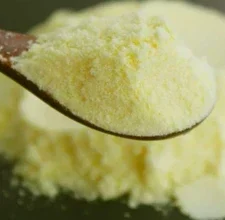
What a dihydroberberine supplement actually is
Dihydroberberine is not a rival ingredient to berberine. It is berberine with two extra hydrogen atoms added, a reduced form of the identical alkaloid. The distinction sounds trivial and is anything but, because that small chemical change alters how the molecule behaves at the wall of your intestine. Your own gut bacteria already make dihydroberberine from ordinary berberine, and once dihydroberberine is absorbed the body oxidises it back into berberine. In other words, you swallow the well-absorbed form and end up with the well-studied compound in circulation. That is the entire pitch, and it is a genuinely clever one.
Search interest tells the same story from the shopper's side. Tens of thousands of people each month look up dihydro berberine, and thousands more specifically search for a dihydroberberine supplement, which is a lot of people trying to solve one problem: getting more of the active compound into the blood without swallowing enormous doses. The demand is real because the frustration is real. Anyone who has taken plain berberine three times a day, with the stomach cramps that sometimes come with it, understands exactly why an easier-to-absorb version sells.
Why standard berberine HCl is so poorly absorbed
Berberine hydrochloride has a genuine pharmacokinetic problem, and it is not a marketing invention. Its oral bioavailability is very low, frequently cited at under one percent of the dose. Swallow 500 mg and only a tiny fraction ever reaches your bloodstream. Two mechanisms are mostly to blame. The first is an efflux transporter called P-glycoprotein, which sits in the gut lining and pumps berberine straight back into the intestine almost as fast as it tries to cross. The second is heavy first-pass metabolism in the gut wall and liver, which chemically dismantles much of what does get through before it can circulate. That two-stage loss was mapped in rat pharmacokinetic work in Drug Metabolism and Disposition on berberine's extensive intestinal first-pass elimination.
Once you understand that single fact, every dosing convention on a berberine label suddenly makes sense. It explains why the studied schedule is 500 mg taken two or three times a day rather than one convenient capsule. It explains why doses are measured in hundreds of milligrams instead of the tens of milligrams typical of a potent drug. And it explains the entire industry of modified forms, each claiming to solve the same bottleneck. If you want the practical side of that schedule, our guide to how much berberine to take per day walks through the timing in detail.
How dihydroberberine raises bioavailability
Dihydroberberine sidesteps the bottleneck rather than smashing through it. Because of its slightly different structure, it is absorbed across the intestinal wall much more efficiently than berberine HCl, and it appears to be less aggressively pushed back by P-glycoprotein. Pharmacokinetic research in animals and small human work has reported dihydroberberine reaching the blood at up to roughly five times the level of an equivalent berberine dose, and staying there longer. Because your body then converts it back into berberine, you get more of the studied compound in circulation from a smaller starting amount. The human evidence for that is a randomised, controlled crossover trial in Nutrients comparing the absorption kinetics of berberine and dihydroberberine, which measured higher plasma exposure from dihydroberberine.
That is why a well-formulated dihydroberberine supplement can list a daily total well below the 1,000 to 1,500 mg used in classic berberine trials and still aim for comparable blood levels. The honest caveat is that the human evidence base for dihydroberberine is thin. The large pile of randomised trials sits behind ordinary berberine HCl, not its reduced cousin. Better absorption is measured and real; a proportionally bigger effect on your blood sugar is assumed, not proven. Keep those two ideas separate and you will read every label more clearly.
Phytosome and lipid delivery: the other route to better uptake
Dihydroberberine is not the only absorption fix on the shelf. Phytosome technology binds berberine to a phospholipid, usually derived from sunflower or soy lecithin, wrapping the water-shy alkaloid in something the fatty intestinal membrane accepts far more willingly. Lipid complexes and micelle-based delivery systems work on the same principle: change the packaging so the passenger gets through the door. A related trick is pairing berberine with silymarin from milk thistle, which appears to blunt the P-glycoprotein efflux pump and let more berberine linger long enough to be absorbed.
Each of these approaches has a plausible mechanism and, in most cases, only preliminary or manufacturer-linked human data behind it. That is not a reason to dismiss them, but it is a reason to treat bold absorption percentages on the front of a box as claims rather than facts until you see the study. The pattern across the whole category is consistent: the delivery science is credible, the marketing runs ahead of the trials, and the label rarely tells you which study its number came from.
Comparing your blood sugar support options
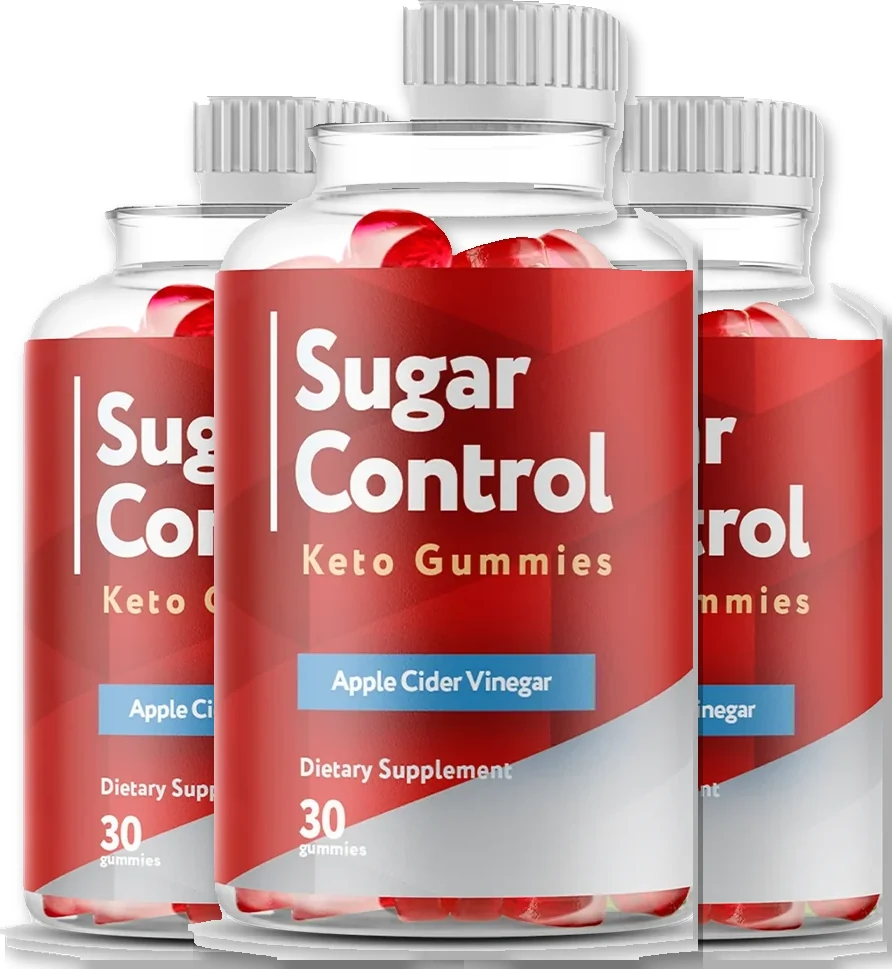
SugarControl is an apple cider vinegar gummy, not a berberine or dihydroberberine capsule — a different ingredient with a different body of research. Supply sizes, shipping and the guarantee window are set by the manufacturer, and the official store is the only place the price you were quoted can be confirmed.
See Availability at the Official StoreHow much dihydroberberine equals a berberine dose?
This is the question most shoppers actually want answered, and the honest reply comes with an asterisk. If dihydroberberine is up to five times more bioavailable, then in principle a fifth of the milligrams could reach similar blood levels. In the real world the ratio is not that tidy. Absorption multipliers vary between studies, the dose-to-blood-level relationship is not perfectly linear, and individual gut chemistry differs. That is why responsible dihydroberberine products settle on daily totals somewhere between roughly 100 and 300 mg rather than trying to publish a precise conversion.
The safe rule is simple: do not convert doses yourself, and do not assume a smaller number on the panel means a weaker product. Follow the amount the manufacturer prints, and judge two products of the same form by whether they disclose their milligrams at all. A supplement that hides its dose inside a proprietary blend has told you everything you need to know about how seriously to take it.
| Form | Typical daily amount | Usual schedule | Absorption note | Strength of human evidence |
|---|---|---|---|---|
| Berberine hydrochloride | About 1,000 to 1,500 mg | 500 mg two or three times daily with food | Under ~1% oral bioavailability; heavy efflux and first-pass loss | Strongest in this group; most trials used this form |
| Dihydroberberine | Roughly 100 to 300 mg | Once or twice daily | Reported up to ~5x more bioavailable; converts back to berberine | Limited; few and short human trials |
| Berberine Phytosome / lipid complex | Varies widely by brand | Once or twice daily | Phospholipid packaging aids passage across the gut wall | Sparse; manufacturer-linked studies dominate |
| Berberine with silymarin (milk thistle) | Varies widely by brand | Twice daily | Silymarin may reduce efflux back into the gut | Early and preliminary |
| Multi-ingredient blood sugar blend | Rarely disclosed per ingredient | As directed on pack | Berberine often underdosed inside a proprietary blend | Weak; you cannot match it to any study |
Does dihydroberberine cause less stomach upset?
For a lot of people, yes, and the reason is mechanical rather than magical. A large share of berberine's digestive complaints, the cramping, the loose stools, the nausea, comes from the sheer quantity of unabsorbed compound sitting in the intestine irritating it on the way through. Because a dihydroberberine supplement is absorbed more efficiently at a much lower dose, there is simply less leftover material to cause trouble downstream. Less unabsorbed berberine in the gut tends to mean a gentler experience.
It is not a guarantee. Dihydroberberine is still a pharmacologically active compound, some people react to it regardless of dose, and taking it with food and starting low remains the sensible approach either way. If tolerability is your main worry, it is worth reading our full breakdown of Alpha-Lipoic Acid and Blood Sugar: What the Evidence Actually Shows before you choose a form, because the interaction risks travel with the molecule no matter how it is delivered, which is why NCCIH's page on diabetes and dietary supplements advises clearing any berberine product with your clinician. What no trial has yet shown is that better absorption produces a better clinical outcome.
Three myths worth clearing up
Myth one: more absorption always means more effect. This is the most common misreading, and it quietly assumes berberine works only after it reaches the bloodstream. A growing line of research argues that some of berberine's metabolic activity happens right there in the gut, where it changes the microbiota and slows carbohydrate digestion. If part of the action is intestinal, then a form optimised purely for blood levels is solving for one half of the picture. Better absorption is a reasonable goal, not a guaranteed upgrade.
Myth two: dihydroberberine is a different, stronger drug. It is not. It is the same alkaloid in a reduced form that your body turns back into berberine. Marketing that frames it as a separate, more potent compound is overselling a delivery advantage as a pharmacological one.
Myth three: enhanced forms are gentle enough to skip medical clearance. The opposite is closer to the truth. Because dihydroberberine puts more of the active compound into your circulation, its potential to interact with prescription medicines is if anything more relevant, not less. Anyone taking drugs for blood pressure, cholesterol, clotting, immune suppression or blood sugar should clear any berberine form with a pharmacist first.
How to choose a dihydroberberine supplement without falling for the hype
Reduce the whole decision to four questions and the shelf gets a lot smaller. First, does the label print the exact milligrams of dihydroberberine per serving, or is it buried in a blend? Print or pass. Second, is it a single active ingredient or one name among fifteen, because a fifteen-ingredient blend cannot fit a meaningful dose of anything. Third, does the brand explain its delivery claim with a reference, or just a big number on the front? Fourth, is there third-party testing, so the amount on the panel is the amount in the capsule.
Those four filters cut across every form in the table above. They are also the same filters we would apply to plain berberine HCl, Phytosome complexes and everything in between, because the failure mode is identical: a product that will not tell you how much active compound you are getting. For the wider context on what the compound has and has not been shown to do, our review of what the human research on berberine actually shows is the companion piece to this one.
Where SugarControl fits in the picture
Let us be direct, because vagueness here would be dishonest. SugarControl is an apple cider vinegar gummy with cinnamon, grape and goji berry. It is not a berberine capsule and it is not a dihydroberberine supplement. Acetic acid and berberine are different ingredients with different, separately studied mechanisms, and one does not stand in for the other. If your search started with dihydroberberine specifically, a berberine or dihydroberberine capsule is the category you are shopping, and you should judge it on the four questions above.
What the two categories share is a format lesson. Berberine's constraint is absorption; a gummy's constraint is capacity, because there is a limit to how much active material you can pack into a pleasant chewable. Neither is a scam, and both explain why the effect you feel at home may be smaller than the effect in a paper. The SugarControl ingredient label lists what is in the formula, including where an amount is not published, because a formula you cannot quantify is a formula you cannot compare.
Related reading
Frequently asked questions
Is dihydroberberine stronger than regular berberine?
Not stronger in the sense of a different, more powerful drug. Dihydroberberine is a reduced form of the same molecule that the body converts back into berberine after absorption. What changes is bioavailability: research reports dihydroberberine reaching the blood at up to about five times the level of standard berberine HCl, which is why smaller doses are used. Better absorption is not proof of a bigger effect on blood sugar.
How much dihydroberberine equals a berberine dose?
Because dihydroberberine is reported to be up to roughly five times more bioavailable, a smaller amount can reach blood levels similar to a larger berberine dose, and many products use daily totals well below the 1,000 to 1,500 mg common in berberine trials. Treat any equivalence as approximate, since head-to-head human data is limited, and follow the amount printed on the label rather than converting it yourself.
Does dihydroberberine cause less stomach upset?
Often, but not always. Much of berberine's digestive upset is dose-related and comes from the large amount of unabsorbed compound sitting in the gut. Because a dihydroberberine supplement can work at a lower dose, some people tolerate it better with less cramping or diarrhoea. It is still an active compound, so taking it with food and starting low remains sensible.
Which delivery form is best for blood sugar support?
There is no single winner. Standard berberine HCl has the largest human evidence base, dihydroberberine and Phytosome or lipid-complex formats improve absorption but have thinner trial data, and multi-ingredient blends often underdose every component. The best form is the one that prints its milligrams, matches amounts used in research, and has been cleared with your pharmacist against any medication you take.
Scientific references
- PubMed — dihydroberberine bioavailability and pharmacokinetics
- PubMed — berberine, P-glycoprotein efflux and oral absorption
- PubMed — berberine phytosome and lipid-delivery bioavailability studies
- NIH National Center for Complementary and Integrative Health — Diabetes and Dietary Supplements: What the Science Says
- Harvard T.H. Chan School of Public Health — Carbohydrates and Blood Sugar
Not medical advice. These statements have not been evaluated by the FDA. This product is not intended to diagnose, treat, cure or prevent any disease. Speak to a clinician before changing anything about how you manage your blood sugar.
Check the current SugarControl supply options
Stock, shipping terms and the guarantee window are set by the manufacturer and shown at their own checkout. If you have been comparing better-absorbed formats and want to weigh an apple cider vinegar gummy alongside them, that is the page to check.
Go to the Official SugarControl Store