Blood Sugar Supplement Berberine: What the Science Says
Quick answer: what berberine does and does not do
Berberine is a bitter yellow alkaloid found in barberry, goldenseal and Oregon grape root, and among plant ingredients sold for blood sugar support it carries the largest pile of human trial data. Those trials, most of them small and short, have measured changes in fasting glucose and long-term glucose markers at daily amounts of roughly 1,000 to 1,500 mg split across the day. It is a supplement, not a medicine: it does not treat, cure or prevent any condition, and its interactions with prescription drugs are real enough that a pharmacist should see your list before you start.
- What it is: an isoquinoline alkaloid extracted from several unrelated plants, all of which share the same yellow pigment.
- Amounts studied: commonly 500 mg two or three times daily with food, not one large dose.
- The catch: oral absorption is poor, quality across trials is uneven, and interaction risk with medication is the single biggest reason to ask before you buy.
Berberine turns up in almost every conversation about natural blood sugar support, usually with more confidence than the evidence justifies in either direction. Sceptics dismiss it as another botanical with a marketing budget; enthusiasts call it a natural substitute for prescription medicine. Neither position survives contact with the literature. What follows is the middle version: what berberine is, what has actually been measured in people, how much of it the studies used, and the things it plainly cannot do.
What berberine actually is
Berberine is not a herb. It is a single isolated compound, an isoquinoline alkaloid, and that distinction matters more than it sounds. Most botanical supplements are ground plant material or a crude extract containing dozens of compounds in uncontrolled ratios. Berberine is a defined molecule that can be quantified to the milligram, which is why its research base looks more like pharmacology than herbalism.
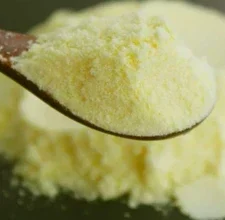
It occurs in plants that are not closely related to one another: barberry (Berberis vulgaris), goldenseal (Hydrastis canadensis), Oregon grape root (Mahonia aquifolium), tree turmeric and Chinese goldthread. All of them are stained the same intense yellow, and that colour is the alkaloid itself. Traditional systems in China and India used these roots and barks for digestive complaints long before anyone isolated the active compound, which is a point in favour of long human exposure but tells you nothing about dose or effect.
Modern supplements almost always use berberine hydrochloride, a salt made to improve handling and solubility. It is intensely bitter, which is the practical reason you will find it in capsules rather than chewables, gummies or drink mixes. Any product promising berberine in a pleasant-tasting format deserves a hard look at the panel.
How berberine is thought to work
The mechanism most often cited is activation of AMP-activated protein kinase, or AMPK, an enzyme that acts as a kind of fuel gauge inside the cell. When AMPK is switched on, cells shift towards burning fuel rather than storing it, and glucose uptake into muscle increases. Exercise and fasting activate the same enzyme, which is why berberine is sometimes described as an exercise mimic. That description is far too generous for a capsule.
A second and increasingly interesting mechanism has nothing to do with the bloodstream. Because so little berberine is absorbed, most of an oral dose stays in the gut, where it changes the composition of the gut microbiota and increases the production of short-chain fatty acids. Some researchers now argue that a meaningful share of berberine's metabolic effects happen in the intestine rather than in the liver or muscle. If that turns out to be right, it neatly explains why a poorly absorbed compound produces measurable effects at all.
Third, berberine appears to slow the digestion of carbohydrate in the small intestine and to affect how the liver handles glucose production. All of these mechanisms are supported by laboratory and animal work. Mechanism is the weakest kind of evidence, though: plenty of ingredients with beautiful mechanisms do nothing measurable in people.
What the human trials on berberine measured
This is where berberine separates itself from most of the category. There are dozens of randomised human trials and several pooled analyses, and the outcomes they measured are the ones that matter: fasting blood glucose, post-meal glucose, HbA1c as a marker of longer-term glucose exposure, and fasting insulin. Pooled analyses of these trials generally report reductions across those markers compared with control groups; a 2021 systematic review and meta-analysis in Oxidative Medicine and Cellular Longevity pooled those trials and reported improvements in glycaemic and lipid markers, while flagging the small sample sizes and variable trial quality behind them.
Now the caveats, and they are not small. The trials are mostly short, usually eight to twelve weeks. Sample sizes are typically in the dozens rather than the hundreds. A large share of the literature comes from a single region, which raises the usual questions about publication practices and independent replication. Methodological quality is uneven, blinding is not always convincing, and several pooled analyses have flagged exactly these problems while still reporting a positive overall result. A consistent signal from many weak studies is more encouraging than nothing, and considerably less than one large, well-run, independent trial.
There is a further problem for anyone reading this as a shopper rather than a patient. Most berberine trials enrolled people already under medical supervision for a diagnosed metabolic condition, often alongside prescribed treatment. Results from that population do not transfer cleanly to a healthy adult with normal readings who buys a bottle online. There is very little research on what berberine does to someone whose numbers are already fine, and no good reason to assume it does anything at all.
Comparing your options for a blood sugar support supplement
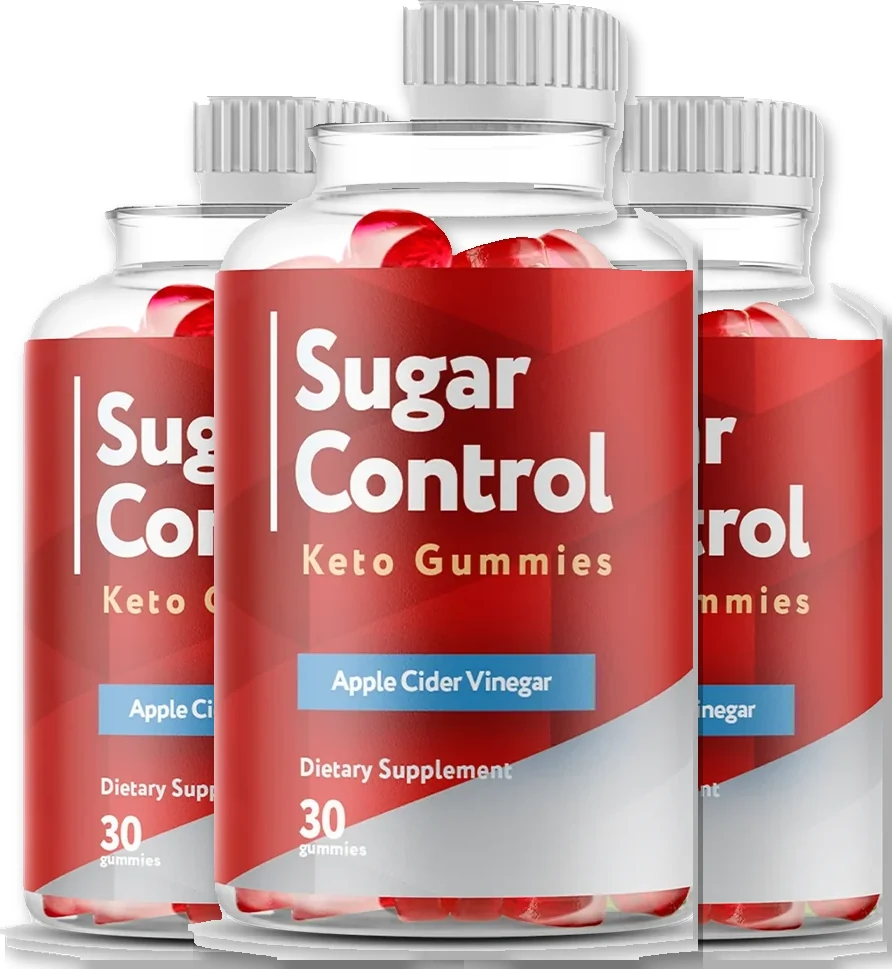
SugarControl is an apple cider vinegar gummy, not a berberine capsule — two different ingredients with two different bodies of research. Supply sizes, shipping and the guarantee window are set by the manufacturer, and the official store is the only place the apple cider vinegar gummies price you were quoted can be confirmed.
See Availability at the Official StoreDoses, forms and the absorption problem
Berberine has a genuine pharmacokinetic weakness: oral bioavailability is very low, in the low single digits as a percentage of the dose. The compound is pumped straight back into the gut by an efflux transporter called P-glycoprotein and heavily metabolised before it reaches circulation. That single fact explains almost every dosing convention you will see on a label, and it is well documented: animal pharmacokinetic work in Drug Metabolism and Disposition attributed berberine's poor oral bioavailability to extensive intestinal first-pass elimination.
It explains the split schedule, because a compound that clears quickly cannot be delivered once a day and still behave like it did in the trials. It explains why doses are in hundreds of milligrams rather than the tens of milligrams typical of a potent drug. And it explains the entire market in modified forms, each of which claims to solve the absorption problem.
| Form | Amounts seen in research | Usual schedule | Absorption note | Strength of human evidence |
|---|---|---|---|---|
| Berberine hydrochloride | About 1,000 to 1,500 mg a day | 500 mg two or three times daily with food | Low single-digit oral bioavailability | Strongest in this group; most trials used this form |
| Dihydroberberine | Lower daily totals, often a fraction of the above | Once or twice daily | Converted back to berberine after absorption; higher blood levels reported | Limited; few human trials, mostly short |
| Berberine phytosome or lipid complex | Varies widely by brand | Once or twice daily | Formulated to improve uptake | Sparse; manufacturer-linked studies dominate |
| Berberine with milk thistle extract | Varies widely by brand | Twice daily | Silymarin may reduce efflux back into the gut | Early and preliminary |
| Whole goldenseal or barberry root | Alkaloid content rarely disclosed | As directed on pack | Unquantified; depends on the raw material | Weak; you cannot compare an unstated dose to a trial |
Read that table with one question in mind: can I tell what I am getting? Only the first row lets you match a label to a study. Every other row asks you to accept a claim about absorption in place of a number you can check.
How to read a blood sugar supplement berberine label
The products returned by a search for a blood sugar supplement berberine option fall into three groups, and they are not equally useful. The first is a single-ingredient capsule that states the milligrams of berberine HCl per serving and tells you how many servings a day. That is the honest version, because you can hold it against the published amounts. The second is a modified or enhanced form, where the number on the panel is lower and you are asked to trust an absorption claim to make up the difference. The third is a multi-ingredient blend where berberine is one name among fifteen, often inside a proprietary blend that discloses only the total weight.
That third group is where most money is wasted. If a panel lists a 900 mg proprietary blend containing berberine, cinnamon, chromium, bitter melon and eleven other things, berberine cannot possibly be present at the amounts used in trials. The ingredient is on the label for the search traffic, not for the dose. Anyone shortlisting the best berberine supplement for blood sugar should start by discarding every product that will not print a number.
The useful question is never "does berberine work?" It is "how many milligrams does this product give me, how many times a day, and how does that compare with what was studied?" A label that will not answer that has answered it.
Side effects, interactions and who should not take it
The common complaints are digestive: cramping, diarrhoea, constipation, gas and nausea. These are dose-related and tend to be worse when the full daily amount is taken at once, which is another argument for splitting it. Taking berberine with food helps. Some people never tolerate it well and stop, which is a legitimate outcome rather than a failure of persistence.
The interaction risk is the part that deserves genuine caution. Berberine inhibits several cytochrome P450 enzymes and the P-glycoprotein transporter, and those two systems between them handle a very large share of prescription medicines. Inhibiting them can raise blood levels of drugs you are already taking, and that is a mechanism for real harm, not a theoretical worry. Anyone on medication for blood pressure, cholesterol, blood clotting, immune suppression or blood sugar should treat berberine as something to clear with a pharmacist first.
Berberine is not appropriate during pregnancy or breastfeeding, and must never be given to newborns, where it can displace bilirubin and cause serious problems. People with liver conditions should avoid it without medical advice. None of these are hedges bolted onto the end of an article; they are the reason berberine is treated as a pharmacologically active compound rather than a food, and NCCIH's page on diabetes and dietary supplements advises clearing any such product with the clinician managing your treatment. If a nutrient-level approach is what you had in mind instead, our survey of which blood sugar lowering vitamins actually have data behind them covers that end of the aisle.
What berberine cannot do
It cannot treat, cure, prevent or reverse diabetes or any other disease. Supplements are not medicines, they are not approved by the FDA before sale, and nothing in the research changes that legal and practical reality.
It cannot replace a prescribed medicine. The comparison studies that circulate online are frequently misrepresented, and stopping or reducing a prescription based on a supplement is genuinely dangerous. That decision belongs to the clinician who ordered it.
It cannot outrun a diet. Every trial in this literature ran alongside dietary advice, and the effects observed were additions to that foundation, not substitutes for it. Carbohydrate quality, meal timing, sleep, muscle mass and physical activity move glucose numbers far more than any capsule.
It cannot be assumed to do anything in a healthy adult with normal readings, because that population has barely been studied. And it cannot be judged by an amount nobody will disclose. If you have been comparing options for the best blood sugar support supplement, the disclosure question filters the market faster than any other test.
Where an apple cider vinegar gummy fits
SugarControl is an apple cider vinegar gummy with cinnamon, grape and goji berry, and it is worth being direct: that is a different product with a different evidence base. Acetic acid and berberine have been studied separately, the mechanisms are not the same, and one cannot stand in for the other. We have written separately about what the vinegar and cinnamon research actually shows, and the honest summary there is that the effects are modest and dose-dependent too. Our main SugarControl page lists what is on that label, including where an amount is not published, because a formula you cannot quantify is a formula you cannot compare.
The parallel worth drawing is about format. Berberine's problem is absorption; a gummy's problem is capacity. Neither is fraudulent, and both explain why the effect you get at home may be smaller than the effect in a paper. Trace minerals face the same arithmetic, which is the subject of our piece on what chromium supplements really do.
Frequently asked questions
Is berberine the strongest natural ingredient for blood sugar support?
Among plant-derived ingredients sold for blood sugar support, berberine has the largest body of human trial data behind it. That is a statement about the volume of research, not a promise of results. Many of those trials were small, short and of variable quality, and berberine is not a treatment for any medical condition.
How much berberine did the studies actually use?
The amount used most often in human research is around 500 mg taken two or three times a day, giving a daily total of roughly 1,000 to 1,500 mg. The split dosing is deliberate, because berberine is poorly absorbed and clears quickly, so one large daily dose is not the same thing as the schedule the trials used.
Can I take berberine with prescribed medication?
Not without asking your doctor or pharmacist first. Berberine interacts with the CYP450 enzymes and transport proteins that handle many prescription drugs, which can raise or lower the level of a medicine in your blood. It also should not be used during pregnancy or breastfeeding, or given to infants.
Do apple cider vinegar gummies contain berberine?
Usually not. Most apple cider vinegar gummies are built around acetic acid with a few supporting botanicals, and berberine is a bitter yellow alkaloid that is difficult to hide in a sweet chewable format. The only reliable way to know is the Supplement Facts panel, which must list every active ingredient and its amount.
Scientific references
- PubMed — randomised controlled trials of berberine and glycaemic markers
- PubMed — berberine oral bioavailability and P-glycoprotein efflux
- NIH National Center for Complementary and Integrative Health — Diabetes and Dietary Supplements: What the Science Says
- Harvard T.H. Chan School of Public Health — Carbohydrates and Blood Sugar
- Mayo Clinic — Carbohydrates: How carbs fit into a healthy diet
Not medical advice. These statements have not been evaluated by the FDA. This product is not intended to diagnose, treat, cure or prevent any disease. Speak to a clinician before changing anything about how you manage your blood sugar.
Check the current SugarControl supply options
Stock, shipping terms and the guarantee window are set by the manufacturer and shown at their own checkout. If you have been searching for where to buy apple cider vinegar gummies, that is the page to compare against.
Go to the Official SugarControl Store