Weight Loss Supplement Chromium: What the Trace Mineral Actually Does
Quick answer: what chromium does and how strong the evidence is
Chromium is an essential trace mineral that helps the body respond to insulin, and the amount adults need is measured in micrograms, not milligrams. Correcting a genuine shortfall matters, but true deficiency is rare in countries with a varied food supply, and trials that added chromium on top of an adequate intake have produced inconsistent results for glucose markers and only very small, uncertain effects on body weight. It is a low-cost, generally well-tolerated ingredient with a modest and disputed evidence base, not a fat burner.
- Daily target: an Adequate Intake of 35 micrograms for men and 25 micrograms for women aged 19 to 50, lower after 50.
- Best-studied form: chromium picolinate, which is absorbed better than plain chromium chloride.
- Honest verdict: plausible support for insulin signalling, weak and inconsistent support for weight change.
Chromium sits on almost every blood sugar and diet formula sold, usually a long way down the panel and expressed in micrograms so small that shoppers skip past them. It is one of the few supplement ingredients where the science genuinely turned in the last two decades, and not in the direction the marketing went. Here is what the mineral does, what people have actually measured, and why the arithmetic on the label matters more than the story on the front of the bottle.
What chromium is and why it is called essential
Chromium exists in two very different chemical states, and confusing them is the single most common error in coverage of this mineral. Trivalent chromium, written as chromium III, is the form found in food and in every supplement sold for human use. Hexavalent chromium, chromium VI, is an industrial by-product and a recognised toxin. They share a name and nothing else that matters. Nothing in this article refers to the industrial form. Chromium is usually met on a label beside the traditional blood sugar herbs gymnema, bitter melon and fenugreek, which face the same dose-versus-label problem.
Trivalent chromium was classified as an essential nutrient after cases in the 1970s in which patients fed intravenously for long periods, with no chromium in the mixture, developed impaired glucose handling that resolved when chromium was added back. That is a powerful piece of evidence for essentiality. It is also a very specific scenario: total absence of the mineral in a hospital setting, not a suboptimal diet in an ordinary adult.
The proposed mechanism is that chromium supports the action of insulin at the cell surface, improving the signal that tells muscle and fat cells to take up glucose. For years this was attributed to a compound called glucose tolerance factor, and later to a peptide named chromodulin. The details are still argued over, and some researchers now question whether chromium meets the formal criteria for an essential nutrient at all. That disagreement is itself informative: a mineral whose essentiality is under debate is unlikely to be a lever you can pull for dramatic effect.
How much chromium people actually need
There is no Recommended Dietary Allowance for chromium, because the evidence needed to calculate one was judged insufficient. Instead, an Adequate Intake was set: 35 micrograms a day for men aged 19 to 50 and 25 micrograms for women in the same range, falling to 30 and 20 micrograms respectively after age 50, with slightly higher figures during pregnancy and breastfeeding. Those numbers are tiny. A typical supplement serving can contain many times the daily target, which sounds impressive until you realise that exceeding a target you already meet is not a benefit.
Food sources are broad but poorly mapped. Broccoli is the standout, and grape juice, whole grains, meats, nuts, green beans and brewer's yeast all contribute. The trouble is that chromium content varies with soil, with agricultural practice and with processing, and stainless steel equipment can add chromium to a food during manufacture. Food composition tables for chromium are therefore unreliable, which is why nobody can tell you with confidence how much you are getting from your diet.
Absorption is the other half of the story. Only a small percentage of ingested chromium is absorbed, and that percentage actually rises when intake is low, which is the body's way of protecting itself against shortfall. Vitamin C and some carbohydrates improve uptake; antacids reduce it. A mineral with an efficient low-intake rescue mechanism is a mineral that is hard to become deficient in, which is broadly how the NIH Office of Dietary Supplements chromium fact sheet describes ordinary intakes too.

The forms on the label are not interchangeable
If a panel simply says "chromium" with no form named, that is a warning sign, because the forms differ substantially in how much of the mineral actually gets absorbed. The table below sets out the ones you will meet.
| Form | Relative absorption | Amounts used in research | Where you see it | Strength of evidence |
|---|---|---|---|---|
| Chromium picolinate | Best of the common forms | Roughly 200 to 1,000 micrograms a day | Most blood sugar and diet formulas | Largest trial base; results still inconsistent |
| Chromium-enriched yeast | Good | Several hundred micrograms a day | Whole-food style supplements | Smaller trial base, broadly similar findings |
| Chromium nicotinate or polynicotinate | Moderate to good | Varies widely by product | Sports and appetite formulas | Sparse; often extrapolated from picolinate |
| Chromium histidinate | Reported as good | Limited published range | Newer premium formulas | Early stage; few independent trials |
| Chromium chloride | Poor | Used mainly in older studies | Cheap multivitamins | Weak; poor uptake undermines the comparison |
Two practical rules follow. First, a product that names the form is telling you something a product that hides it will not. Second, comparing micrograms across forms without accounting for absorption is meaningless, which is why anyone shortlisting the best chromium supplement for blood sugar should read the form line before the dose line.
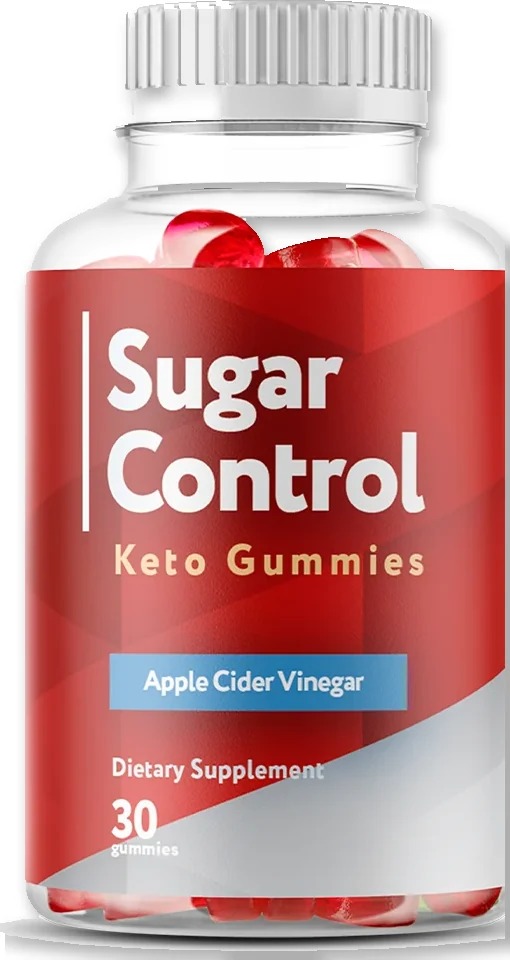
See what is on the SugarControl panel
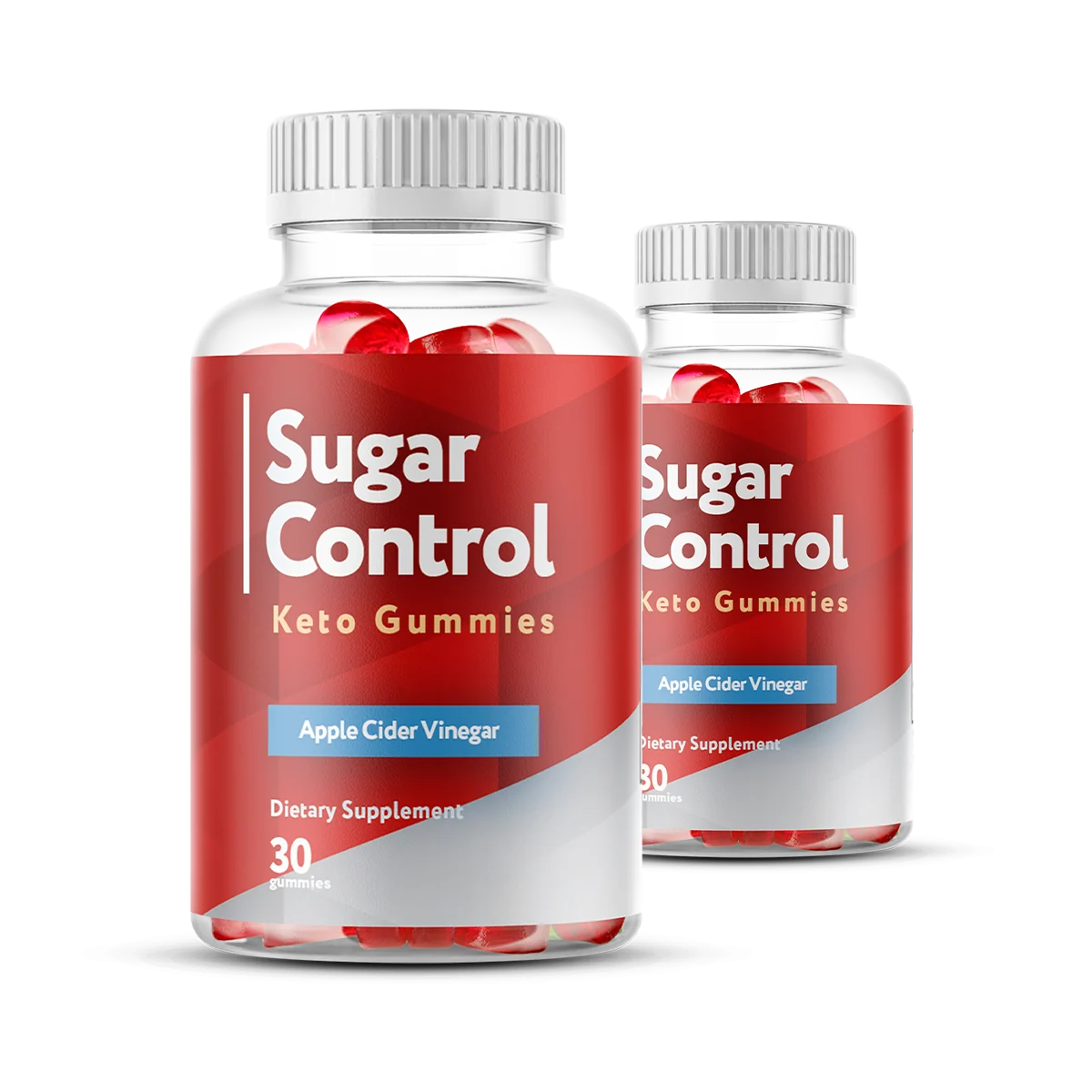
SugarControl is an apple cider vinegar gummy with cinnamon, grape and goji berry rather than a chromium tablet, and its full Supplement Facts panel is printed on the bottle. Supply sizes, shipping and the guarantee window are set by the manufacturer at their own checkout.
See Availability at the Official StoreWhat the research says about chromium and blood sugar
Dozens of randomised trials have given chromium, most often as picolinate, and measured fasting glucose, insulin and longer-term glucose markers. The results do not line up. Some trials report improvements, others report nothing, and pooled analyses that combine them tend to land on a small average effect surrounded by a lot of statistical noise. Agencies that assess this literature, including the NIH Office of Dietary Supplements, describe the evidence as inconsistent rather than positive or negative.
There is a pattern worth noticing inside that inconsistency. Trials that enrolled people whose glucose handling was already impaired, or whose chromium intake was likely low, are more likely to report a change than trials in healthy, well-fed volunteers. That is exactly what you would expect from a nutrient rather than a drug: topping up a shortfall does something, and topping up an adequate intake does not. It is also the reason a supplement can be genuinely useful for one person and completely inert for another.
The methodological problems are ordinary but real. Sample sizes are small, follow-up is short, baseline chromium status is almost never measured because there is no good clinical test for it, and the doses vary across a fivefold range. Nobody is running the large, long, well-funded trial that would settle it, because there is no patent at the end of it. The most useful single summary is a 2020 systematic review in Pharmacological Research of chromium supplementation and glycaemic control in type 2 diabetes, which found the pooled effect small and the trial quality uneven. What it does not show is any benefit in people who are not deficient.
The weight loss supplement chromium claim, examined
This is where the marketing and the evidence part company. The weight loss supplement chromium pitch usually runs like this: chromium improves insulin sensitivity, better insulin sensitivity reduces fat storage and cravings, so chromium helps you lose weight. Each link in that chain sounds reasonable, and the chain as a whole has been tested.
Pooled analyses of chromium picolinate trials in people carrying excess weight do find an average difference against placebo, but it is small, it accumulates over months, and the authors who report it generally add that the size of the effect is of doubtful practical importance and that trial quality is low. Some analyses also flag that the more rigorous the study, the smaller the effect. That is the signature of an effect that shrinks under scrutiny, not one that holds up.
Appetite is the sub-claim that gets the most airtime. A handful of small studies have asked participants about carbohydrate cravings and reported reductions. Craving questionnaires are subjective, the studies are tiny, and the findings have not been reliably repeated. It is not nothing, and it is a long way from established. The same honesty applies to anyone weighing up a weight loss supplement chromium purchase against the general question of whether weight loss supplements are healthy: chromium is one of the safer ingredients in the aisle, and safe is not the same as effective — a pattern that repeats across our comparison of the main glucose-lowering supplements.
An ingredient can be essential, cheap, well tolerated and still not do the thing on the front of the box. Chromium is the clearest example of that combination in the whole supplement aisle.
Safety, upper limits and interactions
Trivalent chromium has a good safety record at the amounts commonly sold. No Tolerable Upper Intake Level has been set, and the reason is worth stating precisely: not because unlimited amounts are proven safe, but because there was not enough evidence of harm at any specific intake to define a ceiling. Absence of a limit is not a licence.
Isolated case reports have described kidney and liver problems in people taking high doses over long periods, usually of chromium picolinate. These are rare and the causal link is not always clear, but they are the reason anyone with existing kidney or liver disease should not self-prescribe this mineral. There have also been laboratory concerns about picolinate at high concentrations that have not translated into a demonstrated risk in people.
Two interactions are worth knowing. Chromium can interfere with the absorption of levothyroxine, so thyroid medication and a chromium supplement should be separated by several hours. And because chromium may influence glucose handling, anyone already taking medicine that lowers blood sugar should not add it without medical advice, since two things pushing in the same direction is precisely how readings go too low; NCCIH's advice on using dietary supplements wisely sets out the same rule of thumb.
What chromium cannot do
It cannot treat, cure, prevent or reverse diabetes or any other condition. Supplements are not medicines and nothing in this literature changes that.
It cannot burn fat. There is no thermogenic step anywhere in the proposed mechanism; the entire hypothesis runs through insulin signalling, and even that is contested.
It cannot help you if your intake is already adequate, which for most people eating a varied diet it probably is. Supplementing past sufficiency is the most common way money disappears in this category — the same trap we describe in our look at which blood sugar lowering vitamins actually have data.
It cannot be assessed from a proprietary blend. If chromium appears inside a blend with a single total weight, you have no way of knowing whether you are getting 50 micrograms or 500, and no way of comparing the product to the research. That single test eliminates most of the shelf when people go looking for the best blood sugar supplement.
Where an apple cider vinegar gummy fits
SugarControl does not lead with chromium. It is an apple cider vinegar gummy with cinnamon bark, grape polyphenols and goji berry, and the honest framing for it is the same one that applies to this mineral: modest supporting ingredients around a diet that is doing the real work. Our SugarControl ingredient breakdown sets out what is on that label and flags where an amount is not published, because an unquantified ingredient cannot be compared to anything. The same reasoning applies across the vitamin aisle, which we cover in which blood sugar lowering vitamins actually have data.
If you are comparing formats and wondering where to buy apple cider vinegar gummies without paying for ingredients you cannot verify, the rule is the same for a gummy as for a chromium tablet: buy the one that prints the number.
Frequently asked questions
How much chromium do adults actually need each day?
There is no RDA for chromium because the data were too thin to set one. Instead there is an Adequate Intake, which is 35 micrograms a day for men aged 19 to 50 and 25 micrograms a day for women in that range, dropping to 30 and 20 micrograms after age 50. Most people in developed countries reach those amounts from ordinary food.
Which form of chromium is best absorbed?
Chromium picolinate is the form used in most human trials and is absorbed better than plain chromium chloride, which is poorly taken up. Chromium-enriched yeast and chromium nicotinate are also sold. Absorption of every form is low overall, typically a few per cent of the amount swallowed.
Does chromium reduce sugar cravings?
Some small studies have measured appetite and carbohydrate craving alongside glucose markers, and a few reported reductions. The studies are small, the questionnaires are subjective and the results have not been consistently repeated, so this is best treated as an unproven possibility rather than an established effect.
Is it safe to take chromium every day?
Trivalent chromium from food and supplements has a good safety record at the amounts commonly sold, and no upper limit has been set because the evidence needed to set one does not exist. Isolated case reports have described kidney and liver problems at high intakes. Anyone with kidney or liver disease, or taking thyroid medication, should ask a clinician first.
Scientific references
- NIH Office of Dietary Supplements — Chromium fact sheet for health professionals
- PubMed — randomised trials of chromium picolinate and glycaemic markers
- PubMed — pooled analyses of chromium picolinate and body weight
- Harvard T.H. Chan School of Public Health — Chromium
- Mayo Clinic — Carbohydrates: How carbs fit into a healthy diet
Not medical advice. These statements have not been evaluated by the FDA. This product is not intended to diagnose, treat, cure or prevent any disease. Speak to a clinician before changing anything about how you manage your blood sugar.
Compare the SugarControl supply options
Everything that changes week to week — stock, shipping and the guarantee window — is set by the manufacturer and shown at their own checkout, which is also the only place to confirm the apple cider vinegar gummies price.
Go to the Official SugarControl Store