Glucose-Lowering Supplements Compared Side by Side
Quick answer: which glucose-lowering supplements are worth comparing?
The five glucose lowering supplements with the most human research behind them are berberine, alpha-lipoic acid, cinnamon, chromium and gymnema. Berberine has the strongest evidence and the highest typical dose; the others are more modest and more variable. A combined stack usually costs less per month than buying each singly, but only if the label prints real amounts you can check against the studies.
- Strongest evidence: berberine, followed at a distance by alpha-lipoic acid.
- Cheapest route: a combined formula with disclosed amounts usually beats four separate bottles.
- The rule that never changes: every one of these was studied alongside diet, not instead of it.
Search for glucose lowering supplements and the results collapse into two useless piles: breathless "number one miracle" listicles, and forum threads insisting none of it does anything. The honest picture sits in between, and it changes depending on which ingredient you mean. Some have dozens of randomised human trials behind them. Others rest on a handful of small studies and a lot of hope. This comparison ranks the five most-researched options by the four things a shopper actually cares about — strength of evidence, the amount used in studies, monthly cost, and the side-effect profile — so you can decide where your money goes rather than which headline shouts loudest.
What "glucose-lowering supplements" actually means
First, a definition, because the phrase does a lot of quiet work. A supplement cannot legally lower blood sugar the way a medicine does; it is not approved to diagnose, treat, cure or prevent anything, and no product in this article is a substitute for a prescription. What the research measures is narrower and more honest: whether an ingredient nudges markers such as fasting glucose, post-meal glucose, HbA1c or fasting insulin in a study group, usually over eight to twelve weeks, and usually on top of dietary advice. When people say "glucose lowering supplements" they mean ingredients that have moved those markers in at least some trials. That is the standard used throughout this piece.
Second, the category is not one thing. It contains a defined molecule with a pharmacology-grade research base (berberine), a couple of trace minerals whose effect depends heavily on whether you were short of them to begin with (chromium), a culinary spice studied at doses far above what you would ever sprinkle on oatmeal (cinnamon), and a pair of botanicals with older, thinner evidence (gymnema and, in other posts, bitter melon and fenugreek). Grouping them under one banner is convenient for shopping and misleading for judging. The comparison table exists precisely to pull them back apart.
How we compared the top glucose-lowering supplements
Four columns, four questions. Evidence strength asks how much good human data exists, not whether a mechanism looks elegant on a slide — plenty of ingredients with beautiful mechanisms do nothing measurable in people. Typical studied dose is the amount actually used in trials, because a product that lists a tenth of it is not the product that was tested. Rough monthly cost is what a single-ingredient bottle at a studied dose tends to run in the United States, useful mainly for the stacking maths later. And side-effect profile flags the practical downsides and, more importantly, the interaction risks that decide whether an ingredient is safe for you specifically.
| Supplement | Evidence strength | Typical studied dose | Rough monthly cost (single) | Side-effect & interaction notes |
|---|---|---|---|---|
| Berberine | Strongest in the category; dozens of RCTs and pooled analyses | 1,000–1,500 mg/day, split 2–3 times | $20–$35 | GI cramping and diarrhoea; interacts with CYP450 and P-glycoprotein, so many drug interactions |
| Alpha-lipoic acid (ALA) | Moderate; better studied for nerve-related symptoms than glucose alone | 300–600 mg/day | $12–$25 | Generally well tolerated; nausea at higher doses; caution with thyroid and diabetes meds |
| Cinnamon (Ceylon or cassia extract) | Mixed; small trials, inconsistent results | 1–6 g/day (extract varies) | $8–$18 | Cassia contains coumarin, a liver concern at high daily amounts; Ceylon is lower |
| Chromium (picolinate) | Weak to moderate; effect largely in those who were deficient | 200–1,000 mcg/day | $6–$14 | Usually mild; rare reports of GI upset; may interact with thyroid meds timing |
| Gymnema sylvestre | Older and thinner; small trials, few modern RCTs | 200–400 mg extract, standardised | $10–$20 | Can blunt sweet taste; may add to the effect of glucose-lowering drugs |
Read the table with one habit in mind: match the label to the dose column. If a product lists 100 mg of berberine or an undisclosed pinch of cinnamon inside a proprietary blend, it is wearing the ingredient's name for the search traffic, not delivering the amount that was studied. That single test eliminates most of the shelf faster than any star rating.
Berberine: the most-studied of the glucose-lowering supplements
If there is a headline in this category, berberine is it. It is not a herb but a single isolated alkaloid, which is why its research reads more like pharmacology than herbalism: dozens of randomised trials and several pooled analyses have measured fasting glucose, post-meal glucose and HbA1c, generally reporting reductions versus control. One frequently cited trial in the journal Metabolism even reported glucose-lowering on a par with a first-line medication, a comparison that gets wildly overstated online and that we unpack properly in our look at what the berberine blood sugar research really shows.
The caveats are real. Trials are mostly short and small, a large share come from a single region, and berberine's oral absorption is poor — low single digits as a percentage of the dose — which is why the studied schedule splits it two or three times a day rather than one big capsule. It also carries the most interaction risk of anything on this list, because it inhibits the enzymes and transporters that handle a huge range of prescription medicines. Strong evidence and real caution are not a contradiction; they are why berberine sits at the top of the table and the top of the "ask a pharmacist first" list at the same time. The pooled picture comes from a 2021 systematic review and meta-analysis of berberine and metabolic profiles in type 2 diabetes.
Alpha-lipoic acid, cinnamon, chromium and gymnema
Alpha-lipoic acid is an antioxidant made naturally in the body and studied at 300 to 600 mg a day. Its evidence is stronger for nerve-related symptoms than for glucose markers in isolation, and it is generally well tolerated. It earns second place mostly because it is well characterised and consistent, not because it moves fasting glucose dramatically.
Cinnamon is the classic example of a spice promoted far beyond its data. Small trials at gram-level doses have shown mixed and inconsistent results, and there is a safety wrinkle: common cassia cinnamon contains coumarin, which is a liver concern at high daily amounts, so Ceylon is the lower-coumarin choice. We dig into the numbers in our review of the apple cider vinegar and cinnamon evidence.
Chromium is a trace mineral, and this is the key to reading its research honestly: the clearest effects show up in people who were short of it to begin with, which most Western diets are not. It is cheap and usually mild, but "cheap and mostly harmless" is not the same as "does something for you." Our piece on what chromium supplements really do walks through why the deficiency question matters more than the dose. Gymnema sylvestre, finally, has the oldest and thinnest evidence of the five; it is best known for temporarily blunting the taste of sweetness, and its small trials have not been replicated at modern standards. For chromium the best summary is a 2020 systematic review in Pharmacological Research of chromium and glycaemic control, and for cinnamon an updated systematic review in Phytotherapy Research of cinnamon supplementation and glycaemic control — both report small, inconsistent effects.
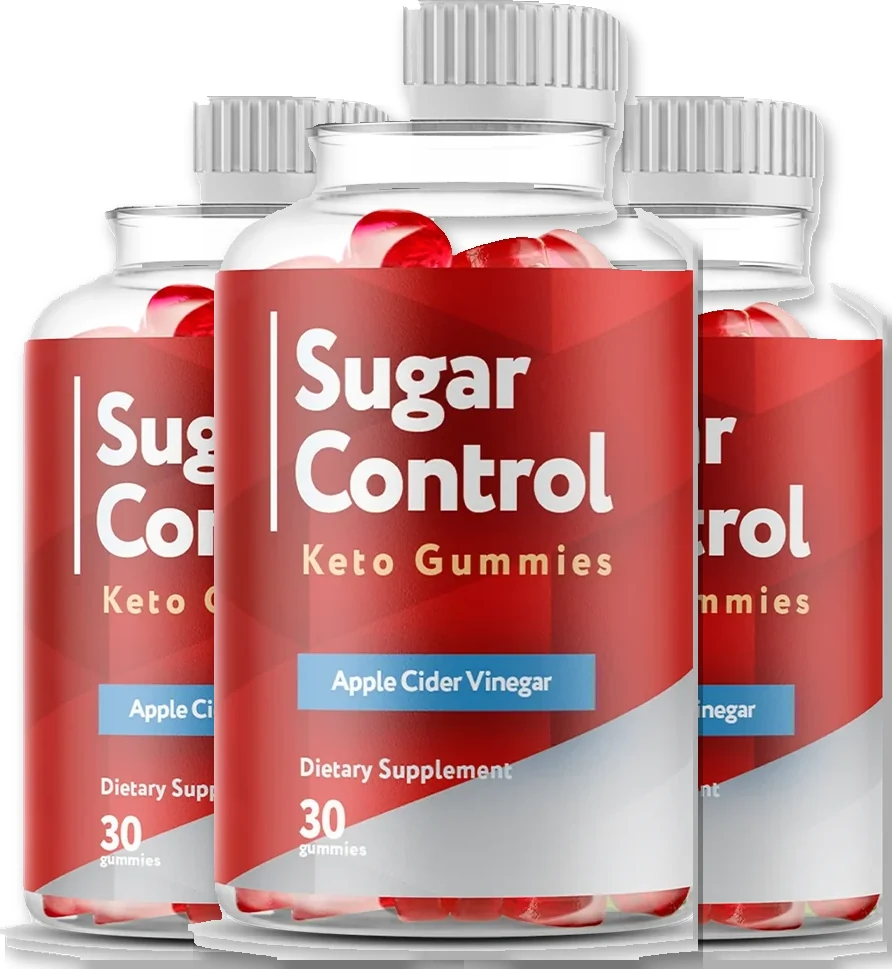
Prefer a combined blood sugar support option?
SugarControl bundles apple cider vinegar with cinnamon, grape and goji berry in a single daily gummy — a different route from stacking four separate capsules. Supply sizes, shipping and the guarantee window are set by the manufacturer, and the official store is the only place the price you were quoted can be confirmed.
Check Availability at the Official StoreThe math on stacking versus buying singles
Here is where the comparison gets practical for your wallet. Suppose you decided you wanted berberine, alpha-lipoic acid, cinnamon and chromium. Bought as four separate single-ingredient bottles at studied doses, you are realistically looking at somewhere around $45 to $90 a month once you add them up, plus four bottles to remember and four times the chance of missing one. A single combined formula that lists meaningful amounts of the same ingredients usually lands below that, because you are paying for one manufacturing run, one bottle and one shipment rather than four.
The saving is real, but it comes with a trapdoor. The reason many blends look cheap is that they contain trace amounts — a proprietary blend that discloses only a total weight, inside which berberine might be 50 mg rather than the 500 mg used in trials. In that case you are not saving money on a stack, you are buying a label. The rule for combined products is simple: if the Supplement Facts panel prints a per-ingredient amount and those amounts are in the range of the dose column above, the value case holds. If it hides everything inside "proprietary blend," treat the price as the only honest number on the bottle. For a fuller shortlist of ingredients that clear that bar, see our guide to the supplements to lower blood sugar that actually have data.
The useful question is never "which supplement is best?" It is "which product prints amounts I can hold against a study, at a price I can defend?" A blend that will not disclose its amounts has answered the question for you.
Can you take several glucose-lowering supplements together?
Physically, yes, and many combined products do exactly that. But "stackable" is not the same as "additive." Two ingredients that each nudge glucose modestly do not necessarily double up, and combining several glucose-lowering agents — supplements or medicines — can push a number lower than you intended, especially if you are also on a prescription. Berberine is the one to watch, because its interaction footprint is wide. The safe sequence is the same for everyone: write down every supplement and medicine you take, including doses, and have a pharmacist look at the whole list before you add anything. That five-minute conversation is worth more than any comparison table, including this one.
What none of these glucose-lowering supplements can do
They cannot treat, cure, prevent or reverse diabetes or any other disease. Supplements are not medicines and are not reviewed by the FDA before sale, and nothing in the research changes that. They cannot replace a prescribed medicine; that decision belongs to the clinician who wrote it, and stopping or cutting a prescription on the strength of a supplement is genuinely dangerous. And they cannot outrun a diet. Every trial referenced here ran alongside dietary advice, and the effects were additions to that foundation, not a substitute for it. Carbohydrate quality, meal timing, sleep, muscle mass and daily movement move glucose far more than any capsule or gummy, which is the same conclusion NCCIH reaches on diabetes and dietary supplements. None of these ingredients has been shown to prevent or treat diabetes.
Where an apple cider vinegar gummy fits
SugarControl is not a berberine capsule and does not pretend to be one. It is an apple cider vinegar gummy with cinnamon, grape and goji berry — a different ingredient set with its own, more modest evidence base. It belongs in this conversation for one honest reason: format and convenience. For someone who will never stick to a four-bottle capsule routine, a single daily gummy that they actually take beats a perfect stack that sits unopened in a drawer. Just apply the same disclosure test you would to any blend, and confirm the current formula and price on the official store rather than a marketplace resale. If you want the unfiltered verdict, read our honest SugarControl review of whether it works before you buy.
Related reading
Frequently asked questions
Which glucose-lowering supplement has the strongest evidence?
Berberine carries the largest body of human trial data of any single ingredient in this category, with dozens of randomised studies and several pooled analyses measuring fasting glucose and long-term markers. That reflects the volume of research, not a promise of results, and many of those trials were small, short and of uneven quality.
Is it cheaper to buy a combined blood sugar stack?
Often yes, if the combined product actually lists meaningful amounts of each ingredient. Buying berberine, alpha-lipoic acid, cinnamon and chromium as four separate bottles usually costs more per month than one formula that bundles them, and it is easier to take. The catch is that many blends hide tiny amounts inside a proprietary blend, so you have to read the Supplement Facts panel first.
Can I take multiple glucose supplements together?
Many people do, and several ingredients are commonly combined, but more is not automatically better and interactions are real. Berberine in particular affects the enzymes and transporters that handle many prescription medicines. Anyone on medication for blood sugar, blood pressure, cholesterol or clotting should have a pharmacist review the full stack before starting.
Do glucose-lowering supplements work without diet changes?
No supplement in this category was studied in isolation. Almost every trial ran alongside dietary advice, and the effects observed were additions to that foundation rather than a substitute for it. Carbohydrate quality, meal timing, sleep, muscle mass and activity move glucose numbers far more than any capsule or gummy.
Scientific references
- PubMed — berberine and glycaemic control meta-analyses
- NIH National Center for Complementary and Integrative Health — Diabetes and Dietary Supplements: What the Science Says
- NIH Office of Dietary Supplements — Chromium fact sheet for health professionals
- Harvard T.H. Chan School of Public Health — Carbohydrates and Blood Sugar
- Mayo Clinic — Diabetes treatment: supplements and lifestyle
Not medical advice. These statements have not been evaluated by the FDA. This product is not intended to diagnose, treat, cure or prevent any disease. Speak to a clinician before changing anything about how you manage your blood sugar, and never stop a prescription because of a supplement.
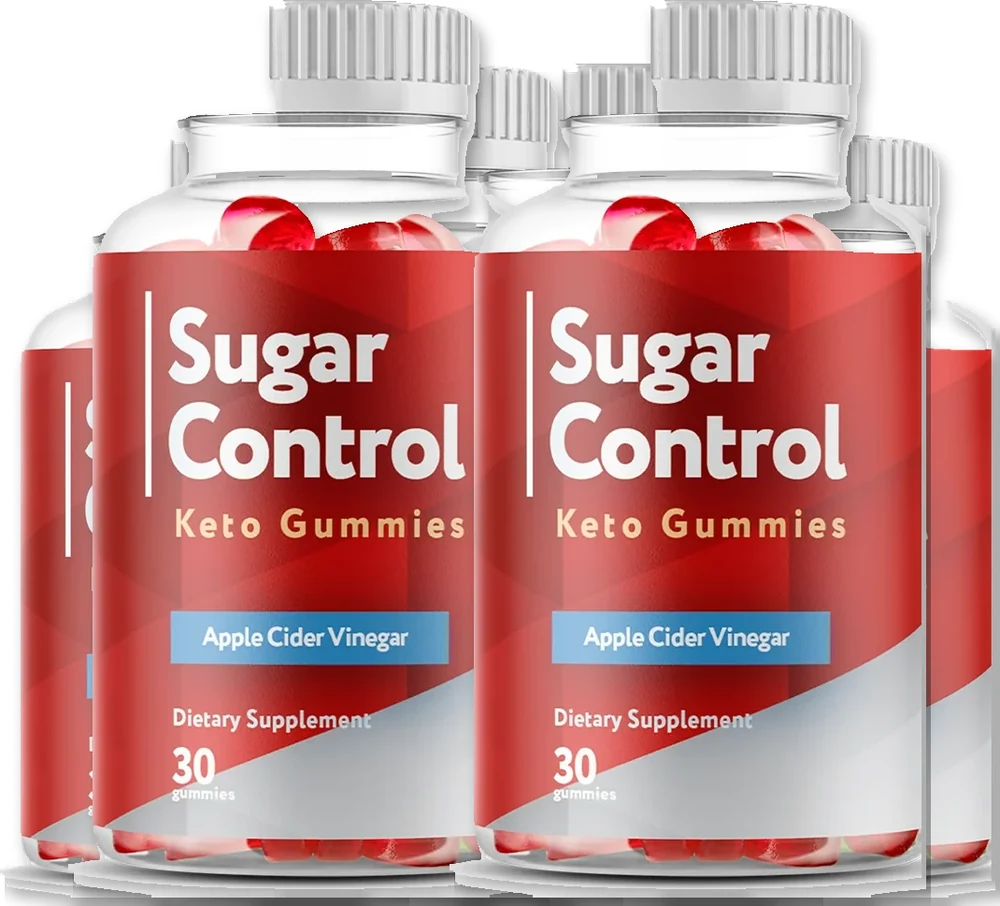
Compare the current SugarControl supply options
Stock, bundle pricing and the guarantee window are set by the manufacturer and shown at their own checkout. If you have been weighing a combined blood sugar support gummy against a stack of singles, that is the page to compare against.
Go to the Official SugarControl Store