Apple Cider Vinegar & Cinnamon for Blood Sugar: What the Evidence Shows
The short version
Apple cider vinegar and cinnamon each have some human research behind them for a gentler rise in blood glucose after a meal, but the effects are modest, inconsistent and dose-dependent. Neither is a treatment for diabetes, and a gummy typically carries far less of either than the amounts used in studies. Treat them as a minor support to a good diet, not a replacement for one or for medication.
Apple cider vinegar (ACV) and cinnamon are two of the most popular "natural blood sugar" ingredients, and they are the backbone of products like SugarControl. So what does the evidence actually say? We read the reviews so you can weigh a purchase honestly, in the same way we did when we set out which supplements to lower blood sugar actually have data behind them.
What the research on vinegar found
The most cited work involves acetic acid, the active component of vinegar. Several small human studies have reported that taking vinegar with a carbohydrate-rich meal slightly lowers the post-meal (post-prandial) glucose and insulin response. The proposed mechanisms include slower stomach emptying and improved glucose uptake. These are real findings — but the trials are small, short and use meaningful amounts of vinegar (often a tablespoon or more of liquid), not the trace found in a single gummy. A 2021 systematic review and meta-analysis of apple cider vinegar trials in BMC Complementary Medicine and Therapies pooled that literature and found small changes in glycaemic and lipid markers, while noting that the trials were short and the participant numbers low.
What the research on cinnamon found
Cinnamon has a larger literature, and it is genuinely mixed. Some trials show small reductions in fasting glucose; others show nothing. The Cochrane review "Cinnamon for diabetes mellitus" concluded there was insufficient evidence to support cinnamon for type 1 or type 2 diabetes, and NCCIH's summary of the cinnamon research reaches the same cautious position. The honest summary is: a possible small effect in some people, not a reliable one, and heavily dependent on the type and dose of cinnamon used. That mirrors the pattern we found across the traditional blood sugar herbs such as gymnema, bitter melon and fenugreek.
The pattern across both ingredients is the same: a plausible, modest, diet-dependent nudge — nowhere near the effect of medication, and nowhere near a cure.
Why a gummy is not the same as a study
This is the part marketing skips. The doses that produced effects in trials are usually larger than what fits in a pleasant-tasting gummy. When you buy an ACV gummy, the useful question is not "does vinegar work?" but "how much ACV is in each gummy, and how does that compare to what the studies used?" That number is on the Supplement Facts panel, and it is worth checking before you buy. It is the same dose-versus-label question we walk through when comparing the main glucose-lowering supplements side by side.
The bottom line
If you enjoy an ACV gummy and it helps you stay consistent with a healthier routine, there is little harm in it for most healthy adults — and possibly a small benefit. Just keep the framing right: the diet is doing the heavy lifting, the supplement is a minor support, and neither ACV nor cinnamon is a substitute for medical care if you have high blood sugar or diabetes. If that is you, talk to your doctor before adding any supplement — NCCIH's overview of diabetes and dietary supplements makes the same point, and MedlinePlus on dietary supplements is a plain-language starting point on what supplements are and are not regulated to do. What the evidence does not show is that either ingredient lowers HbA1c meaningfully over months, or that it can substitute for treatment.
Scientific references
- The effect of apple cider vinegar on lipid profiles and glycemic parameters: a systematic review and meta-analysis of randomized clinical trials — BMC Complementary Medicine and Therapies (2021)
- Cinnamon for diabetes mellitus — Cochrane Database of Systematic Reviews (2012)
- NCCIH — Cinnamon: what the science says
- NCCIH — Diabetes and dietary supplements
- MedlinePlus — Dietary supplements
Not medical advice. These statements have not been evaluated by the FDA. This product is not intended to diagnose, treat, cure or prevent any disease. Speak to a clinician before changing anything about how you manage your blood sugar.
Frequently asked questions
Does apple cider vinegar lower blood sugar?
Several small human trials suggest that taking vinegar with a carbohydrate-rich meal slightly lowers the post-meal glucose and insulin response, possibly through slower stomach emptying. The effect is modest and short-term, and the studies used a tablespoon or more of vinegar, far more acetic acid than a single gummy contains. It is a minor support, not a blood-sugar treatment.
Is cinnamon proven to help blood sugar?
The cinnamon evidence is genuinely mixed. Some trials report small reductions in fasting glucose while others show nothing, and a Cochrane systematic review concluded there was insufficient evidence to support cinnamon for diabetes. Any effect appears small, unreliable and dependent on the type and dose of cinnamon used. Treat it as a possible minor nudge, not a dependable one.
Do ACV gummies contain as much vinegar as the studies used?
Usually not. The amounts that produced measurable effects in trials are generally larger than what fits in a pleasant-tasting gummy. The useful question is how many milligrams of apple cider vinegar each gummy provides and how that compares to the study doses. That figure is on the Supplement Facts panel, and it is worth checking before you buy.
Can apple cider vinegar or cinnamon replace diabetes medication?
No. Neither apple cider vinegar nor cinnamon is a treatment for diabetes or a substitute for prescribed medication. Their effects are modest and diet-dependent, nowhere near the effect of medical treatment. If you have high blood sugar or diabetes, speak to your doctor before adding any supplement and never stop prescribed treatment on your own.
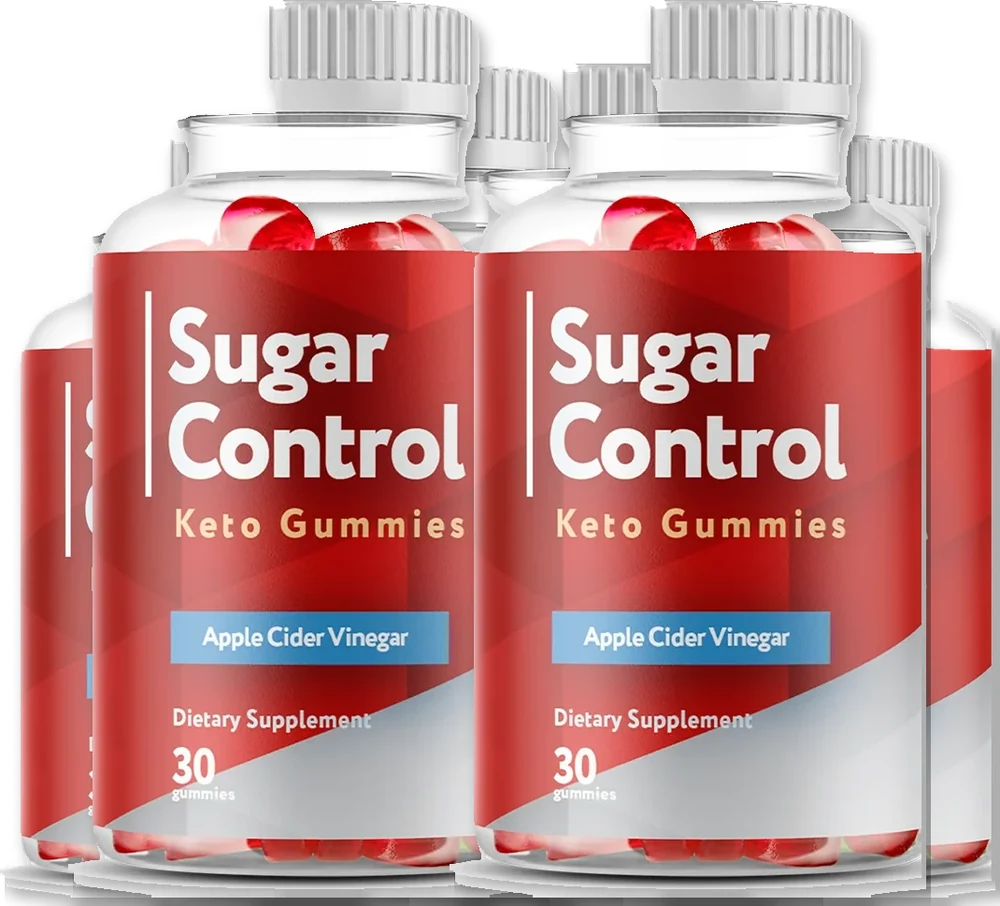
Check the current SugarControl supply options
Stock, shipping terms and the guarantee window are set by the manufacturer and shown at their own checkout. Compare the Supplement Facts panel and price there before you decide.
Go to the Official SugarControl Store