Supplements to Lower Blood Sugar That Actually Work
Quick answer: which supplements to lower blood sugar have the best evidence?
The best-studied glucose-support ingredients are berberine, Ceylon cinnamon, alpha-lipoic acid, chromium and gymnema. Berberine carries the strongest human data, with trials reporting roughly a 0.7 to 1.0 percent fall in HbA1c over about twelve weeks. Every one of them supports, rather than replaces, diet, exercise and any medicine your doctor prescribes.
- Strongest evidence: berberine, then Ceylon cinnamon and alpha-lipoic acid.
- Realistic effect: modest and additive to lifestyle, never a cure or a drug substitute.
- What to skip: unnamed "cinnamon extract" and proprietary blends that hide the dose.
Type supplements to lower blood sugar into any search bar and you will get two kinds of answers: breathless lists that promise a fix in a bottle, and cautious medical pages that tell you nothing on the shelf works at all. The truth sits between them. A short list of ingredients has genuine human trial data behind it, most of the aisle does not, and none of them replace the food on your plate or the medicine a clinician prescribed. This guide ranks the supplements to lower blood sugar that have actually earned a place, names the ones to skip, and shows where an everyday cinnamon-and-vinegar option like SugarControl honestly fits.

Why "supplements to lower blood sugar" is the right search, and where the ceiling is
The phrasing matters. People who search for supplements to lower blood sugar are usually not looking for a miracle; they are looking for support around a diet they are already trying to improve, or a set of readings that are creeping in the wrong direction. That is the honest frame for this entire category. Supplements are legally and practically not medicines. They are not approved by the FDA before sale, they are not intended to diagnose, treat, cure or prevent any disease, and the effects measured in the best trials are additions to lifestyle, not replacements for it.
It helps to know the ceiling before you spend. The single most powerful lever on blood glucose is not sold in a bottle at all: it is carbohydrate quality and quantity, followed by physical activity, muscle mass and sleep. A brisk daily walk and a plate rebuilt around protein, fibre and non-starchy vegetables will move fasting numbers more than any capsule in this article. Supplements sit on top of that foundation. When you read that berberine lowered HbA1c by around a percentage point in trials, remember that every one of those trials also gave participants dietary advice. The pill was the addition, not the engine.
The glucose-support ingredients ranked by real human data
Here is the ranking that the published literature supports, from the most-studied to the most-hyped. Each entry describes what the ingredient is, what people actually measured, and the honest caveat.
1. Berberine — the strongest human evidence
Berberine is a bitter yellow alkaloid pulled from plants such as barberry and goldenseal, and it has the largest body of randomised trial data of anything in this category. Pooled analyses of studies in people with impaired glucose handling report reductions in fasting glucose and in HbA1c of roughly 0.7 to 1.0 percent over about twelve weeks. Those are real numbers, but they come with real limits: many trials were small, short and of variable quality, berberine is poorly absorbed, and it clears the body quickly, which is why studies dose it two or three times a day rather than once. If you want the detail, we walk through what the berberine blood sugar research actually shows, including where the studies are strong and where they are thin. The pooled trial record sits in a 2021 systematic review and meta-analysis of berberine and metabolic profiles in type 2 diabetes.
2. Ceylon cinnamon — modest, dose-dependent, and species matters
Cinnamon is the ingredient most people already have in the kitchen, and its evidence is genuine but modest. Trials of cinnamon report small average reductions in fasting glucose, with a lot of variation between studies. Two details decide whether a cinnamon product is worth buying. The first is species: Ceylon cinnamon (Cinnamomum verum) is low in coumarin, while the common cassia cinnamon is high in it, and coumarin can stress the liver at high daily intakes. The second is disclosure: a label that says "cinnamon extract" without naming the species or the amount is telling you it would rather you did not ask.
3. Alpha-lipoic acid (ALA) — better known for nerve comfort
Alpha-lipoic acid is an antioxidant made naturally in the body and sold as a supplement, most often studied for diabetic nerve discomfort rather than for glucose lowering itself. Some trials report small improvements in insulin sensitivity, but the effect on fasting glucose and HbA1c is inconsistent and generally smaller than berberine's. It is reasonably well tolerated, though high doses can cause nausea. Treat it as a plausible support with a mixed record, not a headline glucose-lowering agent.
4. Chromium — essential, cheap, and frequently overstated
Chromium is a trace mineral involved in how the body responds to insulin, and correcting a genuine deficiency matters. The catch is that true deficiency is rare in countries with a varied food supply, and trials that add chromium on top of an already adequate intake produce inconsistent results. It is one of the safer ingredients in the aisle and one of the most oversold. We cover the arithmetic in detail in our explainer on what chromium supplements really do for blood sugar.
5. Gymnema sylvestre — the "sugar destroyer" with early data
Gymnema is a climbing plant used in traditional medicine, nicknamed the sugar destroyer because chewing the leaf temporarily blunts the taste of sweetness. Small studies suggest it may support glucose handling and reduce sugar cravings, but the trial base is early-stage and the products vary widely in extract strength. Interesting, worth watching, not yet in the top tier. Chromium is the clearest example of that gap: a 2020 systematic review in Pharmacological Research of chromium supplementation and glycaemic control found the pooled effect small and inconsistent.
What to skip
Skip anything labelled simply "cinnamon extract" with no species and no amount. Skip proprietary blends that list a single combined weight for a dozen ingredients, because a blend you cannot quantify is a blend you cannot compare to any study. Skip products that lean on bitter melon, fenugreek or "green coffee" as the headline act while burying the researched ingredients in fairy dust doses. And be sceptical of anything that promises to "reverse" or "cure" anything, which is both dishonest and, for a supplement, illegal to claim.
| Ingredient | Strength of human evidence | Amounts used in research | Main caveat |
|---|---|---|---|
| Berberine | Strongest in the category | ~500 mg, 2–3× daily (900–1,500 mg) | Poor absorption; GI upset; drug interactions |
| Ceylon cinnamon | Modest, dose-dependent | Roughly 1–6 g daily in trials | Cassia coumarin risk; species often unnamed |
| Alpha-lipoic acid | Mixed; better for nerve comfort | ~300–600 mg daily | Inconsistent glucose effect; nausea at high doses |
| Chromium | Inconsistent | ~200–1,000 mcg daily | Only helps if intake is genuinely low |
| Gymnema sylvestre | Early-stage | Varies widely by extract | Small trials; extract strength inconsistent |
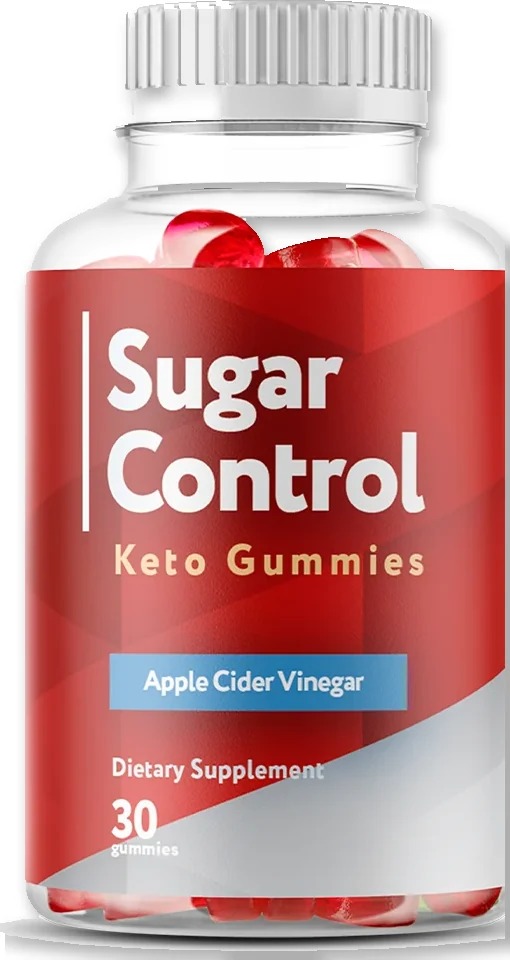
Prefer one cinnamon-forward gummy to a shelf of pills?
SugarControl is an apple cider vinegar gummy built around cinnamon, grape and goji berry rather than a five-bottle stack. The full Supplement Facts panel, supply sizes and the guarantee window are set by the manufacturer and shown at their own checkout.
See Availability at the Official StoreHow much can supplements to lower blood sugar realistically do?
This is the question the roundup articles rarely answer honestly. Across the best-studied single ingredients, the average changes in fasting glucose and HbA1c are small, and the variation between individuals is large. Berberine's roughly one-point HbA1c reduction is the standout, and even that is an average across a study population, which means some participants responded well and others barely moved. There is a pattern worth noticing inside the numbers: people who started with worse control, or with a genuine nutrient shortfall, tend to respond more than healthy, well-fed volunteers. That is exactly what you would expect from a nutrient rather than a drug.
The practical takeaway is to measure, not to assume. If you are going to try any of these, track fasting glucose, or better, ask your clinician about an HbA1c check before and after a full quarter, because HbA1c reflects about three months of average glucose. A supplement that does nothing for your numbers over twelve weeks is a supplement to stop paying for.

The case for an all-in-one approach
Buying berberine, cinnamon, ALA, chromium and gymnema as five separate bottles is expensive, easy to abandon, and hard to keep consistent, and consistency is the single biggest predictor of whether a supplement does anything at all. That is the honest appeal of a single daily format. SugarControl takes a focused, cinnamon-and-vinegar-forward route rather than trying to cram the whole aisle into one pill: apple cider vinegar for its acetic acid, cinnamon bark, grape polyphenols and goji berry, in a gummy people actually remember to take. It is not a berberine product, and it does not pretend to be one; if berberine is specifically what you are after, read how to choose the best berberine supplement instead.
What a single gummy buys you is adherence and simplicity. What it cannot buy you is a berberine-sized effect from an ingredient it does not contain. Both of those statements are true at once, and any honest recommendation holds them together. If you want the full picture on the product itself, our honest SugarControl review covers the formula, the timeline and who it suits.
Three myths worth clearing up
Myth one: a supplement can replace metformin or insulin. It cannot, and treating it as though it can is genuinely dangerous. The comparison studies that circulate online are routinely misrepresented, and the decision to change or stop a prescription belongs to the clinician who ordered it. Supplements are support, full stop.
Myth two: more milligrams is always better. Dose matters, but past the amount used in trials you are usually buying side effects, not benefits. Berberine at high single doses causes cramping and diarrhoea; high cassia cinnamon adds coumarin your liver processes; megadose chromium does nothing extra if your intake is already adequate. The right dose is the studied dose, taken consistently.
Myth three: natural means no interactions. Berberine interferes with the enzymes and transport proteins that handle many prescription drugs, cinnamon and chromium have their own cautions, and "natural" says nothing about safety. If you take any medicine, especially one that lowers blood sugar, the pharmacist conversation comes before the first dose, and the NIH Office of Dietary Supplements consumer guide to dietary supplements explains why a supplement label is not held to the standard a medicine is. No supplement in this article has been shown to prevent, treat or reverse diabetes. If you have already settled on a cinnamon-and-vinegar gummy, our guide to where to buy SugarControl and how the bundles price out covers the next step.
The best supplement to lower blood sugar is the one you will take consistently, on top of a diet that is already doing the heavy lifting, after your pharmacist has cleared it against your medication.
Frequently asked questions
What is the single best supplement to lower blood sugar?
If you judge by the volume and consistency of human trials, berberine has the strongest track record among the ingredients sold for blood sugar support, with studies reporting roughly a 0.7 to 1.0 percent fall in HbA1c over about twelve weeks. That is a statement about the research base, not a promise for any one person, and berberine is not a treatment for any medical condition.
How much can supplements realistically lower blood sugar?
The honest answer is modestly, and only as an addition to diet, activity and any prescribed medicine. The best-studied single ingredients report small average changes in fasting glucose and HbA1c across a study population, with wide variation between individuals. Carbohydrate quality, sleep, muscle mass and physical activity move the numbers far more than any capsule or gummy.
Are blood sugar supplements safe to take with metformin?
Not without asking your doctor or pharmacist first. Several glucose-support ingredients, berberine in particular, can push blood sugar in the same direction as metformin, and stacking two things that lower glucose is exactly how readings can go too low. Berberine also interacts with the enzymes that process many prescription drugs, so professional advice comes before the first dose.
How long before blood sugar supplements start working?
Most trials run for eight to twelve weeks, and that is a fair expectation for judging whether anything is happening. Some people notice changes in fasting readings within a few weeks, others notice nothing at all. HbA1c reflects roughly three months of average glucose, so a full picture takes about a quarter, not a fortnight.
Scientific references
- PubMed — berberine and glycaemic control, randomised trials and meta-analyses
- NIH National Center for Complementary and Integrative Health — Diabetes and Dietary Supplements: What the Science Says
- NIH Office of Dietary Supplements — Chromium fact sheet for health professionals
- Harvard T.H. Chan School of Public Health — Carbohydrates and Blood Sugar
- Mayo Clinic — Diabetes diet: Create your healthy-eating plan
Not medical advice. These statements have not been evaluated by the FDA. This product is not intended to diagnose, treat, cure or prevent any disease. Speak to a clinician before changing anything about how you manage your blood sugar.
Compare the SugarControl supply options
Stock, shipping and the guarantee window are set by the manufacturer and shown at their own checkout, which is also the only place to confirm the apple cider vinegar gummies price.
Go to the Official SugarControl Store