Best Berberine Supplement: How to Choose in 2026
Quick answer: how do you choose the best berberine supplement?
The best berberine supplement names its form and purity, usually berberine HCl, states an exact milligram amount per serving instead of a hidden blend, and shows third-party testing for potency and contaminants. It is dosed to match the trials, around 500 mg two or three times a day, and it is honest about gut side effects and berberine's poor absorption.
- Non-negotiables: stated form, exact milligrams, and third-party testing.
- Clinical dose: roughly 900 to 1,500 mg daily, split into two or three servings.
- Absorption upgrades: dihydroberberine or Phytosome-bound berberine for tolerability.
Search interest in berberine has exploded, and so has the noise: a search for the best berberine supplement now returns hundreds of near-identical bottles, each claiming to be the strongest, the purest or the most bioavailable. Very few of those claims survive a look at the label. The good news is that choosing well is not complicated once you know the five things that actually separate a quality berberine supplement from a repackaged commodity powder. This guide walks through each of them, explains the dose the research used, and is honest about where berberine falls short so you can buy once and buy right.
What "best berberine supplement" actually means
Before the checklist, a reality check. Berberine is a bitter yellow alkaloid extracted from plants such as barberry and goldenseal, and it has the largest body of human trial data of any ingredient sold for blood sugar support. Trials most often report reductions in fasting glucose and in HbA1c of roughly 0.7 to 1.0 percent over about twelve weeks. That is genuinely the strongest record in the category, and it is still support, not treatment. Berberine is not a medicine, it is not FDA-approved to treat anything, and it is not a substitute for a prescription. If you want the full evidence picture before you shop, start with the berberine blood sugar evidence.
So "best" here does not mean "most powerful." It means the product most likely to deliver the amount that was actually studied, in a form your body can use, without contaminants, and in a way you can tolerate for the eight to twelve weeks it takes to see anything. Every criterion below serves that definition, and the benchmark for "research-relevant" is the trial set pooled in a 2021 systematic review and meta-analysis of berberine in type 2 diabetes.
The five-point checklist for a quality berberine supplement
1. Named form and stated purity
The vast majority of studied berberine is berberine hydrochloride, written as berberine HCl. A quality label names the form and often states standardisation, for example "berberine HCl, 97% or higher." If a product just says "berberine" or hides it inside a blend, you cannot verify what you are getting. Newer products may use dihydroberberine or a Phytosome complex; those are legitimate, but they should be named and explained, not used as marketing sparkle over a plain powder.
2. Exact milligrams per serving, never a proprietary blend
This is the single fastest filter. A proprietary blend lists a combined weight for several ingredients, which means you have no idea whether you are getting 200 mg of berberine or 1,200. Because the effective dose is specific, a blend that hides it is disqualifying for a berberine product. Look for an exact number per serving and check how many servings make up the daily total the studies used.
3. Third-party testing you can actually check
Berberine is a botanical extract, and botanical extracts vary in identity, potency and contamination. Independent testing for potency, heavy metals, microbes and adulteration is the difference between a label claim and a verified fact. The best products publish a certificate of analysis or carry a recognised third-party seal. Manufacturing in an FDA-registered, GMP-compliant facility is a floor, not a ceiling.
4. Delivery and absorption
Berberine's central weakness is bioavailability: standard berberine HCl is poorly absorbed and pumped back out of cells by transport proteins, which is why studies split the dose across the day. Two approaches try to solve this. Dihydroberberine is a metabolite absorbed more efficiently, so smaller amounts may reach the bloodstream. Phytosome-bound berberine wraps the molecule to improve uptake. Both are promising and both have thinner trial bases than plain HCl, so treat them as reasonable upgrades rather than proven superiority. The clearest human comparison is a randomised crossover trial in Nutrients measuring the absorption kinetics of berberine and dihydroberberine, which found higher plasma exposure from dihydroberberine but did not demonstrate a correspondingly better clinical result.
5. Gut tolerability and honest labelling
The most common reason people quit berberine is the gut: cramping, diarrhoea, constipation, gas and nausea, all of which are dose-related and worse on an empty stomach. A quality product tells you to take it with food, offers a schedule you can build up gradually, and does not pretend the side effects do not exist. A brand willing to name the downside is usually more trustworthy on the upside.
| Form | Relative absorption | Typical amount | Evidence base |
|---|---|---|---|
| Berberine HCl | Low; split dosing needed | ~500 mg, 2–3× daily | Largest; most trials use this form |
| Dihydroberberine | Higher than HCl | Lower per dose (e.g. ~100–200 mg) | Smaller but growing |
| Berberine Phytosome | Improved vs plain HCl | Varies by product | Limited; brand-specific |
| Berberine in a blend | Unknowable | Undisclosed | Cannot be assessed |
Want blood sugar support without berberine's gut side effects?
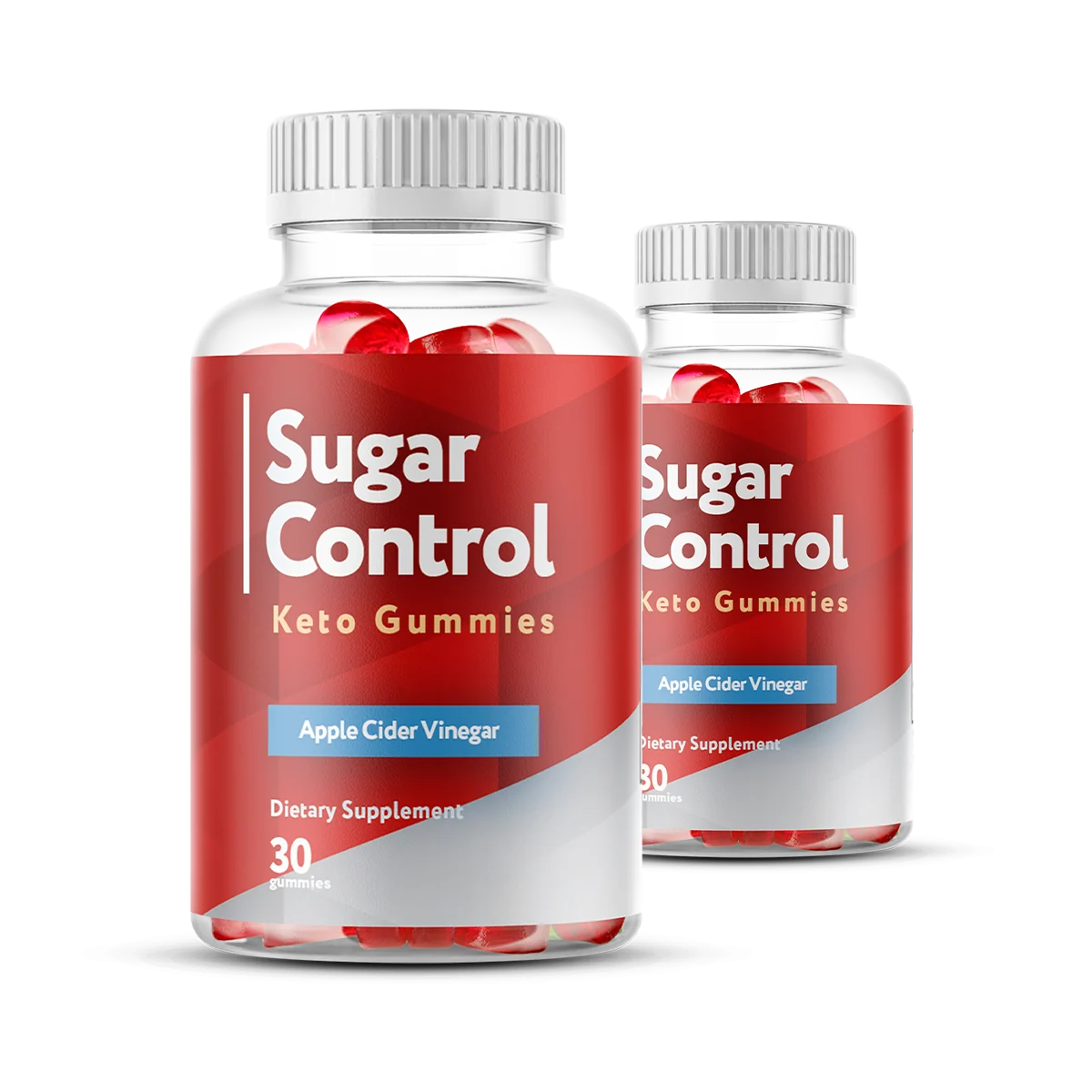
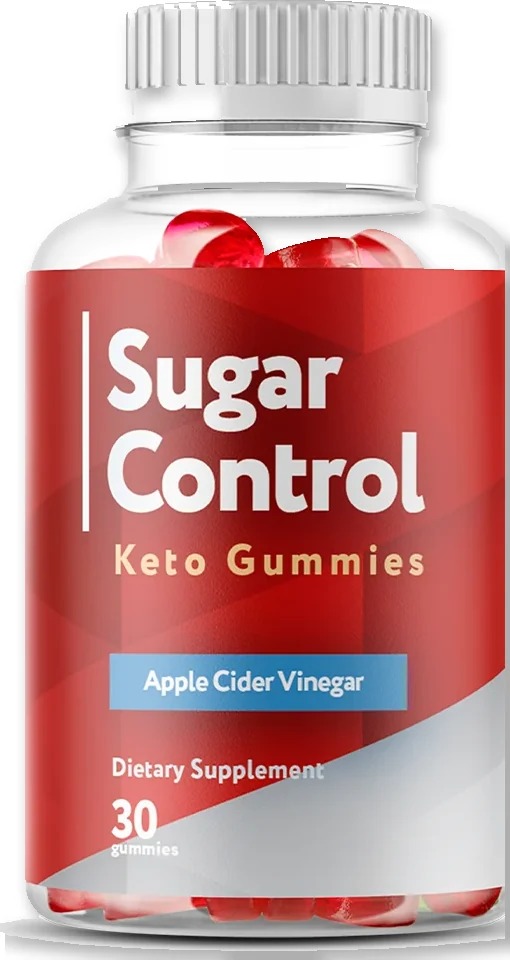
SugarControl skips berberine entirely. It is an apple cider vinegar gummy built around cinnamon, grape and goji berry — a gentler, once-daily route for people who cannot tolerate berberine capsules or would rather not manage split dosing. Supply, shipping and the guarantee are set by the manufacturer at their checkout.
See the Gummy Option at the Official StoreHow many mg of berberine per day is best?
The amount used most consistently in human research is around 500 mg taken two or three times a day, giving a daily total of roughly 900 to 1,500 mg. The split is not optional flavour text: because berberine is poorly absorbed and cleared quickly, a single 1,500 mg dose does not reproduce what the trials measured, and it makes the gut side effects worse. A sensible approach is to start at one 500 mg serving with food, confirm you tolerate it, then build toward the studied total over a week or two. Do not exceed a product's label, and if you take any medication, get the dose cleared first. We go deeper on the specifics of berberine dosage and how much to take in a companion guide.
Dihydroberberine vs berberine: is the upgrade worth it?
Dihydroberberine is the metabolite your gut bacteria convert some berberine into, and it is absorbed more efficiently than the parent molecule. The practical pitch is that a smaller dose can reach the bloodstream, which may mean fewer capsules and milder gut effects. That is plausible and there is early human data, but the trial base is much smaller than for plain berberine HCl, so calling it definitively "better" overstates what has been shown. If berberine's side effects are your barrier, a dihydroberberine or Phytosome product is a reasonable thing to try; if you tolerate standard HCl and it is working, there is no urgent reason to switch. We compare the two in detail in dihydroberberine vs berberine absorption.
Three claims to be sceptical of
"Nature's Ozempic." This phrase is everywhere and it is misleading. Berberine and prescription GLP-1 medicines work through different mechanisms and are not interchangeable, the effect sizes are not comparable, and marketing a supplement as a drug stand-in is exactly the kind of claim regulators warn against. Berberine is a modest support, not a substitute for a prescribed medicine, and the NIH Office of Dietary Supplements consumer guide to dietary supplements sets out what supplement sellers are and are not permitted to claim.
"Highest potency, 5,000 mg." Big front-of-bottle numbers often describe a raw herb equivalent or a full day's total split across many capsules, not the amount of actual berberine per serving. Read the per-serving milligrams and the serving size, not the hero number.
"No side effects, gentle formula." Effective berberine at a studied dose commonly causes some gut upset. A product promising a clinical dose with zero side effects is either underdosed or not being straight with you. If gentleness is your priority, a non-berberine option may suit you better, which is the honest bridge to the next section. The same underdosing trap runs through the marketing for berberine as a weight loss supplement.
The best berberine supplement is not the one with the biggest number on the front. It is the one that names its form, states its milligrams, proves its purity, and tells you the truth about your gut.
Where SugarControl fits, honestly
SugarControl is not a berberine supplement, and this guide would be worthless if it pretended otherwise. It is an apple cider vinegar gummy built around cinnamon bark, grape polyphenols and goji berry, with no berberine in the formula at all. What it offers is a different trade-off: a gentle, once-daily, easy-to-remember format for people who cannot tolerate berberine's gut effects, do not want to manage two or three capsules a day, or simply prefer a cinnamon-and-vinegar approach to everyday blood sugar support. Our SugarControl ingredient breakdown lists exactly what is on that panel, and where an amount is not published we say so. If you want to see how the gummy stacks up against the pill-based route across the whole category, read supplements to lower blood sugar that actually work.
Put plainly: if berberine specifically is your goal, buy a dedicated, tested, clearly dosed berberine product. If what you actually want is a simpler daily habit around cinnamon and apple cider vinegar, SugarControl is a reasonable option to compare. Both can be true, and an honest guide says so.
Frequently asked questions
What should I look for in a quality berberine supplement?
Look for a named form and stated purity, usually berberine HCl standardised to a high percentage, a clear milligram amount per serving rather than a hidden proprietary blend, and evidence of third-party testing for identity, potency and contaminants. A serving schedule that matches the research, meaning split doses across the day, and clear allergen and manufacturing information round out a quality product.
How many mg of berberine per day is best?
Most human trials used around 500 mg taken two or three times a day, for a daily total of roughly 900 to 1,500 mg. The split matters because berberine is poorly absorbed and clears quickly, so one large daily dose is not equivalent to the schedule the studies used. Start lower to test tolerance and never exceed a label without professional advice.
Is dihydroberberine better than regular berberine?
Dihydroberberine is a metabolite that is absorbed more efficiently than standard berberine HCl, so smaller amounts may reach the bloodstream and gut side effects can be milder for some people. The human trial base is smaller than for regular berberine, so it is promising rather than proven superior. Phytosome-bound berberine is another delivery approach aimed at the same absorption problem.
Does SugarControl contain a clinical dose of berberine?
No. SugarControl is an apple cider vinegar gummy built around cinnamon, grape and goji berry, and it does not contain berberine at all. It is a different product with a different evidence base, aimed at people who want gentle everyday blood sugar support rather than a clinically dosed berberine capsule. If berberine is specifically what you want, choose a dedicated berberine product.
Scientific references
- PubMed — randomised controlled trials of berberine and glycaemic markers
- PubMed — berberine oral bioavailability and P-glycoprotein efflux
- PubMed — dihydroberberine pharmacokinetics and absorption
- NIH National Center for Complementary and Integrative Health — Diabetes and Dietary Supplements: What the Science Says
- NIH Office of Dietary Supplements — Dietary supplements: what you need to know
Not medical advice. These statements have not been evaluated by the FDA. This product is not intended to diagnose, treat, cure or prevent any disease. Speak to a clinician before changing anything about how you manage your blood sugar.
Compare the SugarControl supply options
Stock, shipping and the guarantee window are set by the manufacturer and shown at their own checkout, which is also the only place to confirm the apple cider vinegar gummies price.
Go to the Official SugarControl Store