Berberine for Weight Loss: Does It Actually Work?
Quick answer: does berberine work for weight loss?
Berberine for weight loss produces modest, real results in studies, not the dramatic drop the internet promises. Pooled trial data shows roughly 2 to 3 kg lost over eight to twelve weeks, mostly in people with metabolic issues, and only alongside diet. It activates the AMPK enzyme; it is not a GLP-1 drug like Ozempic.
- Real but small: about 2–3 kg and a 1.5-point BMI drop over 8–12 weeks in trials.
- How it works: activates AMPK, an energy-sensing enzyme, not the GLP-1 hormone pathway.
- Works best paired: with a calorie-aware diet and improving blood sugar, never on its own.
If you have spent any time on TikTok or Instagram in the last couple of years, you have almost certainly seen berberine for weight loss sold as "nature's Ozempic" — a cheap yellow capsule that supposedly melts fat the way a prescription injection does. It is a great hook and a terrible comparison. The truth is more interesting and a lot more useful: berberine is a genuinely well-studied plant compound with a measurable effect on metabolism, but that effect is modest, slow and completely dependent on what else you are doing. This guide separates the viral hype from the actual evidence so you can decide whether it belongs in your routine.
We will cover what berberine really is, why the Ozempic label is misleading, how much weight the research shows people actually lose, the dosing that matches the studies, and the safety issues worth knowing before you start. None of this is medical advice or a promise of results — it is a plain-language read of what the trials found, so you can hold any product, including ours, against that benchmark.
What berberine actually is (and what it is not)
Berberine is a bright yellow alkaloid extracted from plants such as barberry, goldenseal and Oregon grape. It has been used in traditional medicine for centuries, but the modern interest is driven by a specific mechanism: berberine activates an enzyme called AMP-activated protein kinase, usually shortened to AMPK. AMPK is often described as the cell's "metabolic master switch." When it is switched on, cells behave as though energy is scarce — they take up more glucose, burn more fuel and dial back the storage of fat. That single mechanism is the reason berberine shows up in both blood-sugar and weight-loss conversations.
What berberine is not is a hormone drug. This distinction is the whole ballgame when it comes to the Ozempic comparison. It also is not a stimulant, so it will not give you the jittery appetite suppression of a fat burner. It simply nudges an internal energy pathway, and it does so gently. If you want the deeper science on the glucose side of that pathway, our companion piece on what the research on berberine for blood sugar shows walks through the trial data in detail, because the weight effect and the glucose effect are two faces of the same AMPK story.
Is berberine really "nature's Ozempic"? Separating hype from evidence
Here is the myth worth killing first. Ozempic (semaglutide) is a GLP-1 receptor agonist. It works by imitating a gut hormone that tells your brain you are full, dramatically reducing appetite and slowing how fast the stomach empties. In clinical trials, GLP-1 medications produce double-digit percentage weight loss in many people. Berberine does none of that. It does not touch the GLP-1 pathway, it does not meaningfully suppress appetite in most users, and its effect on the scale is a fraction of what the injectables deliver.
So why did the nickname stick? Partly because both can improve blood sugar, and partly because "cheap natural Ozempic" is an irresistible headline. But calling berberine nature's Ozempic is like calling a bicycle nature's Ferrari because they both have wheels and get you somewhere. The honest framing is this: berberine is a modest metabolic support supplement with real but small effects. If you go in expecting an injectable-level transformation, you will be disappointed and you will probably quit before the slow, genuine benefits have a chance to show up.
How much weight can you actually lose with berberine?
This is the number everyone wants, and the research gives a reasonably clear answer. Several meta-analyses have pooled the randomised human trials on berberine and body weight. The consistent finding is a modest reduction: on the order of 2 to 3 kilograms, and roughly a 1.5-point drop in BMI, over treatment periods of eight to twelve weeks. Waist circumference tends to shrink a little as well. These are averages, so some people see more and some see essentially nothing. A dose-response meta-analysis of berberine and obesity indices in Complementary Therapies in Clinical Practice found the pooled change in body weight and BMI small, which is the honest ceiling on this ingredient.
Two caveats shape how you should read those figures. First, the effect is concentrated in people who already have metabolic problems — raised fasting glucose, insulin resistance, metabolic syndrome, non-alcoholic fatty liver. In lean, metabolically healthy people the weight signal is much weaker, which makes sense given that the mechanism is metabolic rather than appetite-based. Second, almost every trial ran berberine on top of dietary changes, not instead of them. The supplement was the assist, not the main event. Treat the 2–3 kg figure as what berberine can add to a decent diet, not as a standalone result. NIDDK's weight-management information is a better guide to the diet and activity changes that do the heavy lifting, and what the berberine evidence does not show is any effect on appetite comparable to a GLP-1 medicine.
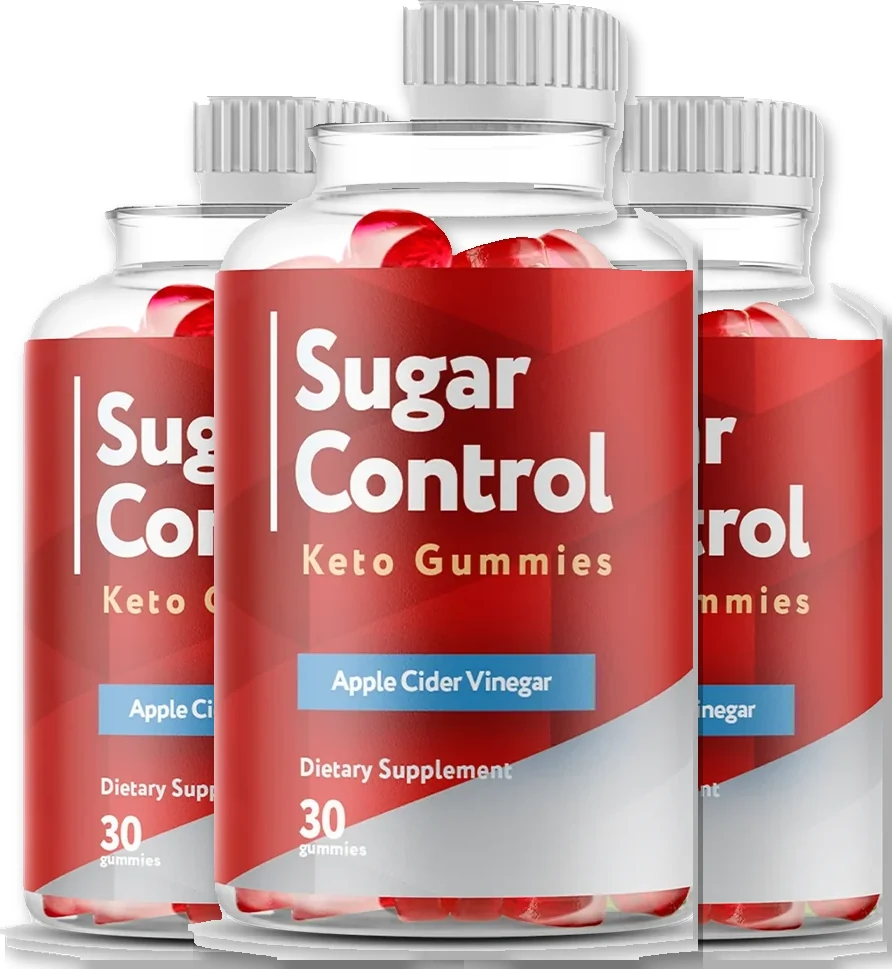
Prefer a simple once-a-day serving to a capsule schedule?
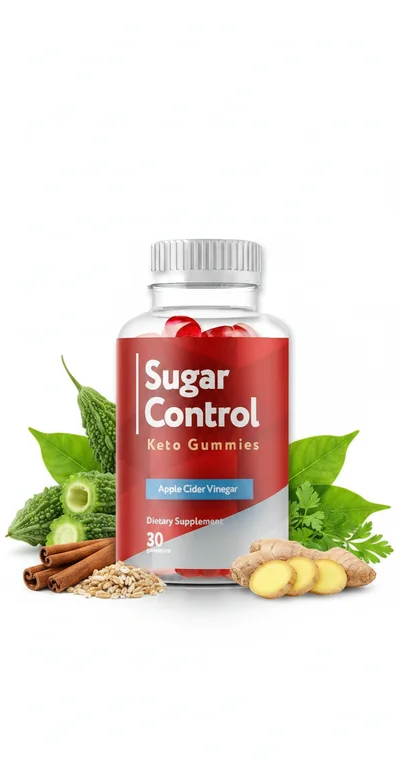
SugarControl is an apple cider vinegar gummy built for everyday blood-sugar support, taken as a single daily chew rather than a split 500 mg berberine routine. Supply sizes, shipping and the 60-day guarantee window are set by the manufacturer, and the official store is the only place the price you were quoted can be confirmed.
See Availability at the Official StoreWhy berberine works best paired with diet and better blood sugar
The single most important thing to understand about berberine for weight loss is that its benefit is downstream of blood sugar. The reason it helps metabolically unwell people more is that its AMPK activation improves how the body handles glucose and insulin. When insulin resistance eases, the body stores fat less aggressively and uses circulating fuel more efficiently. That is a supportive tailwind for weight loss, but it is a tailwind, not an engine. You still have to create the calorie deficit that actually drives fat loss.
This is why pairing matters so much. Berberine layered on top of a diet that already stabilises blood sugar — fewer refined carbohydrates, more fibre and protein, meals that do not spike and crash — is working in the same direction as your food choices, and the effects compound. Berberine sprinkled on top of a diet of ultra-processed snacks is fighting a losing battle no capsule can win. If lowering post-meal glucose is your goal, it is worth understanding the broader toolkit; our overview of how to choose a berberine supplement that is actually dosed properly covers what to look for so the product you buy can live up to the studies.
Berberine dosing for weight loss: what the studies used
If you decide to try berberine, the dose that matches the research is 500 mg taken two or three times a day, for a daily total of roughly 1,000 to 1,500 mg, swallowed with or shortly before meals. Splitting the dose is not optional fussiness: berberine is poorly absorbed and clears from the blood quickly, so multiple smaller doses keep levels steadier than one big capsule ever could. Splitting also spreads out the digestive load, which is the number-one reason people quit. Our full breakdown of the standard berberine dosage and how to time it around meals covers the schedule in detail.
One practical note that saves a lot of stomach ache: absorption is berberine's Achilles heel, and this is why enhanced forms exist. Dihydroberberine is a reduced form that the body absorbs several times more efficiently, which means a smaller dose can match a larger one of standard berberine with less gut irritation. We compare the two head to head in our guide to dihydroberberine versus regular berberine absorption. Whichever form you choose, more is not better here — chasing 2,000 or 3,000 mg a day mostly buys diarrhoea, not faster fat loss.
| Question | The honest answer |
|---|---|
| Typical weight change | About 2–3 kg over 8–12 weeks in trials |
| Who benefits most | People with raised blood sugar or metabolic syndrome |
| Mechanism | Activates AMPK; not a GLP-1 / appetite drug |
| Studied dose | 500 mg, two to three times daily, with meals |
| Best-absorbed form | Dihydroberberine (lower dose, less gut upset) |
| Works alone? | No — only alongside diet and activity |
How long does berberine take to work?
Patience is the price of admission. Berberine is not a fast-acting compound, and the trials that measured body weight and metabolic markers ran for eight to twelve weeks, sometimes longer. Any change on the scale or in glucose readings builds gradually across that window, not in the first few days. People who take it for a week, see no difference and conclude it does not work have simply not given it the runway the studies required. If you commit to trying berberine, commit to a couple of consistent months and judge it then, alongside the diet and movement that do the heavier lifting.
Is berberine safe for weight loss?
For most healthy adults, the everyday issue with berberine is digestive rather than dangerous: cramping, gas, constipation or loose stools, especially at higher doses or on an empty stomach. Splitting the dose and taking it with food takes most of that off the table. The more serious consideration is drug interactions. Berberine influences the CYP450 liver enzymes and the P-glycoprotein transporter that process a large share of prescription medications, which means it can change how those drugs behave in your body. It is also not recommended during pregnancy or breastfeeding, and NCCIH's overview of diabetes and dietary supplements recommends raising any supplement with the clinician who manages your medication before you start.
The practical rule is simple: if you take any prescription medication — especially for blood sugar, blood pressure, cholesterol or blood thinning — talk to a pharmacist or doctor before starting berberine, because the interaction risk is the genuinely serious part, not the upset stomach. This is a supplement to add thoughtfully, not to megadose in the hope of a bigger result.
Where SugarControl fits in the picture
To be clear and honest: SugarControl is not a berberine capsule. It is an apple cider vinegar gummy with cinnamon, grape and goji berry, taken as a single daily serving, and its evidence base sits with acetic acid and its supporting botanicals rather than with the berberine trials described above. We mention it because many people looking at berberine for weight loss are really after the same underlying goal — steadier blood sugar and a bit of metabolic help — and a once-a-day chewable is a far simpler habit to keep than a split 500 mg capsule schedule three times a day. If you specifically want the berberine protocol, a properly dosed capsule is the right format. If a simpler daily routine appeals more, the SugarControl ingredient label shows exactly what each serving contains.
Related reading
Frequently asked questions
Is berberine really like Ozempic for weight loss?
No. Ozempic is a prescription GLP-1 medication that mimics a gut hormone to curb appetite, and berberine works nothing like it. Berberine is a plant compound that activates an energy-sensing enzyme called AMPK. The 'nature's Ozempic' nickname is a social-media label, not a scientific comparison, and the weight change berberine produces in studies is far smaller than what GLP-1 drugs deliver.
How much weight can you actually lose with berberine?
Pooled analyses of human trials point to modest results: roughly 2 to 3 kg, or about a 1.5-point drop in BMI, over eight to twelve weeks, and mostly in people who already have metabolic issues such as raised blood sugar. It is a real but small effect, and it appears alongside diet and activity rather than instead of them.
How long does berberine take to work for weight loss?
Berberine is slow. The trials that measured body weight and metabolic markers ran for eight to twelve weeks, and changes built gradually across that window rather than in the first few days. If you take it for a week and see nothing on the scale, that is expected. Judge it over a couple of consistent months, not a weekend.
Is berberine safe to take for weight loss?
For most healthy adults the main issue is digestive: cramping, gas and loose stools, usually eased by splitting the dose and taking it with food. The more serious concern is interactions, because berberine affects the enzymes that process many prescription drugs. It is not recommended in pregnancy or breastfeeding, and anyone on medication should clear it with a pharmacist first.
Scientific references
- PubMed — berberine, body weight and BMI in randomised trials and meta-analyses
- PubMed — berberine and AMPK activation in metabolism
- NIH National Center for Complementary and Integrative Health — Diabetes and Dietary Supplements: What the Science Says
- NIH National Institute of Diabetes and Digestive and Kidney Diseases — Weight Management
- Harvard T.H. Chan School of Public Health — Carbohydrates and Blood Sugar
Not medical advice. These statements have not been evaluated by the FDA. This product is not intended to diagnose, treat, cure or prevent any disease. Berberine is not a weight-loss drug. Speak to a clinician before changing anything about how you manage your weight or blood sugar, especially if you take medication.
Check the current SugarControl supply options
Stock, shipping terms and the 60-day guarantee window are set by the manufacturer and shown at their own checkout. If a simple once-a-day serving appeals more than a multi-capsule berberine schedule, that is the page to compare against.
Go to the Official SugarControl Store