Berberine Supplement Benefits: What the Evidence Actually Shows
Quick answer: what are the benefits of a berberine supplement?
The strongest berberine supplement benefits are metabolic: trials show fasting glucose and HbA1c reductions of roughly 0.7 to 1 percent in people with raised blood sugar, plus meaningful LDL cholesterol and triglyceride lowering. It works by activating the AMPK enzyme. Benefits build slowly, absorption is low, and it is not a replacement for prescribed medicine.
- Blood sugar: HbA1c drops of about 0.7–1% and lower fasting glucose in trials.
- Cholesterol: LDL down roughly 20–25% and lower triglycerides in several studies.
- Mechanism: activates AMPK, the cell's metabolic master switch, with emerging gut effects.
Berberine has quietly become one of the most researched natural compounds in the supplement aisle, and the berberine supplement benefits people talk about are, unusually, backed by a real body of human trials rather than wishful thinking. It is a bright yellow plant alkaloid, and its appeal comes down to a single mechanism with wide reach: it switches on an enzyme that governs how cells handle energy. This article walks through each studied benefit in turn, gives you the numbers researchers actually recorded, and then does the part most sales pages skip — the honest limitations.
The goal is not to sell you on a miracle. It is to give you a clear, evidence-based picture so you can decide whether berberine, or a simpler blood-sugar support product, fits your goals. None of what follows is medical advice or a claim to treat any condition; it is a summary of what the science supports and where it stops.

Benefit 1: lower blood sugar and HbA1c
This is the headline berberine supplement benefit and the one with the deepest evidence. Multiple randomised trials and meta-analyses have found that berberine reduces fasting blood glucose and lowers HbA1c — the three-month average glucose marker — by roughly 0.7 to 1 percentage point in people with elevated blood sugar. That is a clinically interesting range, which is exactly why berberine gets compared to first-line approaches. It also tends to improve post-meal glucose spikes and markers of insulin sensitivity.
The mechanism behind it is AMPK activation. When berberine switches on this energy-sensing enzyme, cells take up glucose more readily and the liver releases less of its stored sugar, both of which pull circulating glucose down. For the full trial-by-trial breakdown of this effect, including who it helps most and by how much, see our detailed review of what the research on berberine for blood sugar shows. The short version: this is the benefit berberine has earned, not just claimed — a 2021 systematic review and meta-analysis of berberine and metabolic profiles in type 2 diabetes is the clearest single summary of that record.
Benefit 2: lower LDL cholesterol and triglycerides
Less famous but genuinely well-supported is berberine's effect on blood lipids. Several studies have recorded LDL ("bad") cholesterol reductions on the order of 20 to 25 percent, along with lower triglycerides and, in some trials, a small bump in HDL. This is a different pathway from statins, which is why researchers have been interested in berberine as a complementary rather than competing approach to lipids. For someone whose blood sugar and cholesterol are both drifting in the wrong direction — a very common pairing — a compound that nudges both is appealing.
As always, the size of the effect varies with the starting point: people with the most room to improve tend to see the biggest changes, and lean, healthy people with normal lipids see less. It is a supportive effect layered on top of diet, not a licence to eat differently. A 2024 analysis in Clinical Therapeutics of berberine supplementation, glycaemic control and inflammatory biomarkers reaches a similar cautious conclusion about effect size.
Benefit 3: AMPK-driven metabolic support
Almost every benefit above traces back to one thing: AMPK. This enzyme is often called the cell's metabolic master switch because it senses when energy is running low and responds by ramping up glucose uptake, fat burning and cellular clean-up while dialling down fat and cholesterol synthesis. Berberine is one of the few widely available compounds that activates it meaningfully. That single lever is why the same supplement shows up in conversations about blood sugar, cholesterol, weight and general metabolic health — they are all downstream of the same switch.
It is worth being precise here, because AMPK activation is also why berberine gets over-hyped. Switching on a useful pathway does not make berberine a drug or a cure. It makes it a supportive input, most powerful in people whose metabolism has drifted and who are also improving their diet and activity. The people chasing berberine purely for weight loss should read our honest look at whether berberine works for weight loss, where the same AMPK story produces much more modest results than the "nature's Ozempic" headlines suggest.
Want everyday blood-sugar support without the capsule routine?
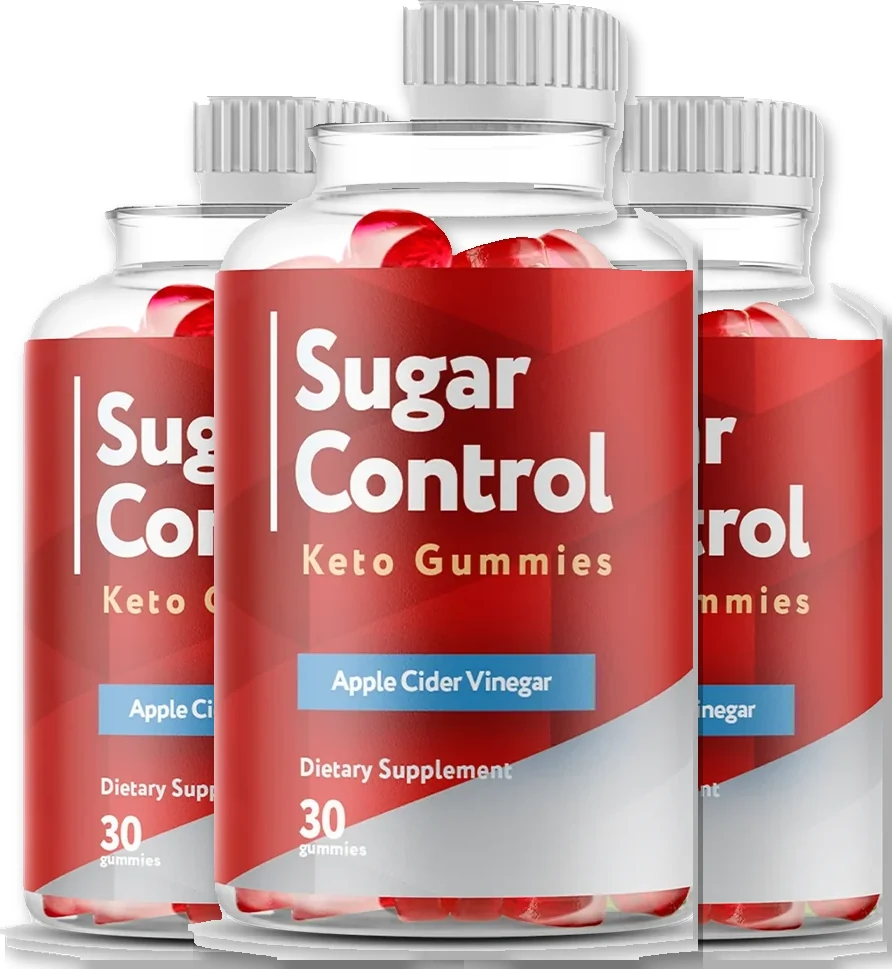
SugarControl is an apple cider vinegar gummy for daily blood-sugar support, taken as one simple chew rather than a split berberine capsule schedule. Supply sizes, shipping and the 60-day guarantee window are set by the manufacturer, and the official store is the only place to confirm the price you were quoted.
See Availability at the Official StoreBenefit 4: emerging gut microbiome effects
A newer and still-developing area of research is berberine's effect on the gut microbiome. Because berberine is so poorly absorbed, most of a dose stays in the digestive tract, where it appears to reshape the balance of gut bacteria. Some scientists now think a meaningful share of berberine's metabolic benefits may actually be mediated through the gut rather than only through direct AMPK activation in the liver and muscle. This is genuinely interesting, but the evidence is earlier-stage than the glucose and lipid data, so it belongs in the "promising, not proven" column rather than the headline benefits. NCCIH's summary of diabetes and dietary supplements takes the same position, and what the evidence does not show is any microbiome effect translating into a clinical outcome.
The honest limits: what berberine cannot do
A fair rundown of berberine supplement benefits has to include the downsides, because they shape whether it is worth it for you. First, bioavailability is poor — oral absorption sits in the low single digits — which is why doses are large, must be split, and why benefits build gradually over eight to twelve weeks rather than quickly. Second, digestive side effects are common: cramping, gas, constipation and diarrhoea, especially at higher doses or on an empty stomach. The absorption problem is also why enhanced forms exist; our comparison of dihydroberberine versus standard berberine absorption explains how a better-absorbed form allows lower doses with less gut upset.
Third, and most important, berberine is not a replacement for prescribed medicine. It interacts with the CYP450 enzymes and P-glycoprotein transporter that process a large share of medications, so it can change how those drugs behave. It is not recommended in pregnancy or breastfeeding. And the trials that make it look impressive were run on top of diet and lifestyle changes, not instead of them. Anyone taking medication should clear berberine with a pharmacist before starting.
| Benefit | Typical effect in trials | Evidence strength |
|---|---|---|
| Lower HbA1c | ~0.7–1% reduction | Strong |
| Lower fasting glucose | Meaningful reductions | Strong |
| Lower LDL cholesterol | ~20–25% in some studies | Moderate–strong |
| Lower triglycerides | Consistent reductions | Moderate |
| Gut microbiome support | Shifts bacterial balance | Emerging |
| Weight loss | ~2–3 kg over 8–12 weeks | Modest |
Is berberine as effective as metformin?
This comparison comes up constantly, so it deserves a straight answer. A handful of head-to-head trials found that berberine produced glucose and HbA1c changes broadly comparable to metformin, the most common first-line diabetes medication. That is a striking result for a supplement and explains the hype. But the studies were small, short and mostly conducted in one region, and metformin is a regulated, decades-tested medicine with a known safety profile at scale. Berberine is a food supplement. "Comparable in a small trial" is not the same as "interchangeable," and nobody should stop or swap a prescribed medication for a supplement without a doctor's involvement. The same gap between headline and result shows up when people ask about berberine for weight loss.
How to get the benefits: dosing and choosing well
To actually see the benefits above, the dose has to match the studies: 500 mg taken two or three times a day, with or shortly before meals, for a daily total of about 1,000 to 1,500 mg. Splitting the dose keeps blood levels steadier and spreads out the digestive load. Consistency matters more than perfection, and the effect is judged over months, not days. Our practical guide to the right berberine dosage and meal timing covers the schedule in full, and our guide to choosing a berberine supplement that discloses its dose covers what to avoid, chiefly proprietary blends that hide how much you are actually getting.
Where SugarControl fits
In the interest of honesty: SugarControl is not a berberine capsule. It is an apple cider vinegar gummy with cinnamon, grape and goji berry, taken as a single daily serving, and its evidence base sits with acetic acid and its supporting botanicals rather than the berberine trials above. We include it because many people researching berberine supplement benefits are really after the same outcome — steadier everyday blood sugar with a habit they can actually keep — and a once-a-day chewable is far easier to stick with than a three-times-daily capsule routine. If the berberine protocol is what you want, a properly dosed capsule is the right tool. If a simpler daily option appeals, the SugarControl ingredient label shows exactly what each serving contains.
Related reading
Frequently asked questions
What are the main proven benefits of berberine?
The best-supported berberine supplement benefits are metabolic: meaningful reductions in fasting glucose and HbA1c in trials of people with raised blood sugar, and lower LDL cholesterol and triglycerides in several studies. These flow from berberine activating the AMPK enzyme. Emerging research also points to effects on the gut microbiome. The evidence is strongest for glucose and lipids.
Is berberine as effective as metformin?
Some head-to-head trials found berberine produced glucose and HbA1c changes broadly comparable to metformin, which is why it gets compared to it. But those studies were small and short, and metformin is a regulated, extensively tested medicine. Berberine is a supplement, not a substitute for a prescribed drug, and no one should swap one for the other without a doctor's guidance.
What is the best time of day to take berberine?
Berberine is best taken with or shortly before meals, split into two or three doses across the day rather than taken all at once. Pairing it with food targets the carbohydrate you are digesting and greatly reduces the cramping and loose stools that a dose on an empty stomach can cause. Consistency at the same meals matters more than the exact minute.
Are there any downsides or side effects of berberine?
Yes. Berberine is poorly absorbed, so benefits build slowly over weeks, and digestive upset such as cramping, gas and diarrhoea is common at higher doses. The more serious issue is drug interactions, since berberine affects the enzymes that process many medications. It is not advised in pregnancy or breastfeeding, and it is not a replacement for prescribed treatment.
Scientific references
- PubMed — berberine, HbA1c and glycaemic control meta-analyses
- PubMed — berberine effects on LDL cholesterol and triglycerides
- PubMed — berberine and the gut microbiome
- NIH National Center for Complementary and Integrative Health — Diabetes and Dietary Supplements: What the Science Says
- Harvard T.H. Chan School of Public Health — Carbohydrates and Blood Sugar
Not medical advice. These statements have not been evaluated by the FDA. This product is not intended to diagnose, treat, cure or prevent any disease. Berberine is not a substitute for prescribed medication. Speak to a clinician before changing anything about how you manage your blood sugar or cholesterol.
Check the current SugarControl supply options
Stock, shipping terms and the 60-day guarantee window are set by the manufacturer and shown at their own checkout. If a simple once-a-day serving appeals more than a multi-capsule berberine schedule, that is the page to compare against.
Go to the Official SugarControl Store