Blood Sugar Herbs Supplements: Gymnema, Bitter Melon and Fenugreek
Quick answer: which of these herbs is worth your attention
Three plants dominate this category: gymnema, bitter melon and fenugreek. Fenugreek has the most consistent human data, mostly because a large share of its effect comes from soluble fibre slowing digestion; gymnema has one dramatic and easily demonstrated effect, temporarily blocking sweet taste on the tongue; bitter melon has been tested more carefully than the other two and has repeatedly failed to separate from placebo. All three were studied in gram quantities of powdered seed or leaf, which is far more than a shared capsule can hold.
- Gymnema: gymnemic acids block sweet receptors for up to an hour; modern glucose trials are thin.
- Bitter melon: eaten as a vegetable across Asia, but the better-controlled trials have been largely negative.
- Fenugreek: roughly half fibre by weight, with the most reproducible findings of the three.
Open almost any blood sugar formula and the same three botanical names appear. They arrived there through traditional use in India, China and West Africa rather than through modern drug development, and their evidence reflects that history: long human familiarity, plenty of laboratory work, and a modern trial record that is thinner and messier than the packaging implies. Here is each one on its own merits, then the thing they all have in common.
Gymnema sylvestre: the herb that switches off sweetness
Gymnema is a woody climbing vine from the forests of India and Sri Lanka, and its Hindi name, gurmar, translates as sugar destroyer. That name comes from an effect you can test on yourself in under a minute. Chew a gymnema leaf or hold the extract on your tongue, then eat something sweet, and the sweetness is simply absent. The food still has texture and any sour or salty notes remain, but the sugar registers as nothing.
The mechanism is well described. Gymnemic acids are structurally similar enough to glucose to occupy the sweet taste receptors on the tongue, blocking them for anywhere from fifteen minutes to an hour. This is one of the few genuinely reproducible botanical effects in the whole supplement aisle, and it explains why gymnema is sold as a craving tool as well as a glucose one.
The metabolic claims are a different matter. The idea that gymnemic acids also block sugar absorption in the intestine, or support insulin-producing cells, comes largely from laboratory and animal work. Human trials exist, but most are decades old, small, conducted without proper controls, and rarely repeated by independent groups. It is an ingredient with one excellent party trick and a very modest clinical file. Worth noting too: the taste effect only happens if the herb contacts your tongue, so a capsule swallowed whole delivers none of it. On the metabolic side, a randomised trial in the Journal of Medicinal Food of Gymnema sylvestre, glycaemic control and insulin secretion is one of the few reasonably controlled human studies available, and it is small.
Bitter melon: a food, a folk medicine and a lot of null results
Bitter melon, Momordica charantia, is a warty green gourd eaten as a vegetable across South and East Asia and West Africa. Unlike most supplement botanicals it has a long history as food, which is reassuring on safety even before you look at the trials. It contains charantin, an insulin-like peptide often called polypeptide-p, and a compound called vicine, all of which have shown activity in laboratory models.
What makes bitter melon unusual in this category is that it has actually been put through reasonably rigorous randomised trials, and the results have not been kind. Several controlled studies have found no meaningful difference from placebo on glucose markers, and formal assessments of the pooled evidence have concluded there is insufficient support for its use. That is a more useful finding than the vague optimism attached to less-tested plants: bitter melon has had its chance under proper conditions and did not clearly deliver: the Cochrane review "Momordica charantia for type 2 diabetes mellitus" found no convincing evidence of benefit on glycaemic control.
There is a plausible explanation for the gap between traditional use and trial results, and it is about quantity. Traditional use means eating the gourd, often daily and in quantity, as part of a whole diet. A capsule contains a dried extract at a tiny fraction of that. Whether an ingredient works and whether the product you bought contains enough of it are separate questions, and this is a case where the second one probably dominates.
Fenugreek: mostly fibre, partly amino acid
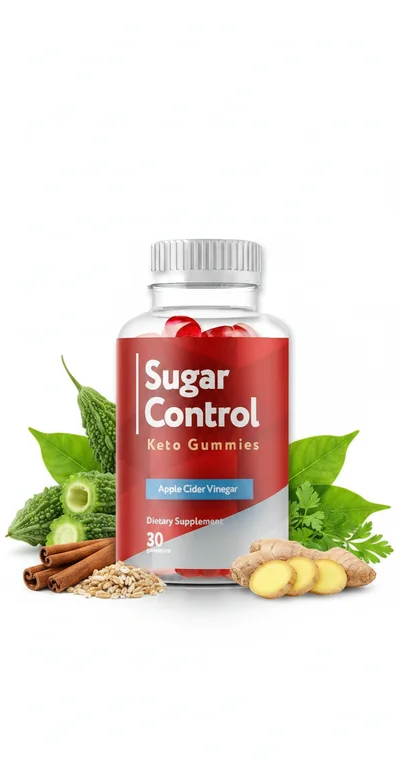
Fenugreek seeds are a kitchen staple across India and the Middle East, hard little amber seeds with a maple-like aroma. Nutritionally they are close to half fibre by weight, and most of that is galactomannan, a viscous soluble fibre that thickens the contents of the stomach and slows the rate at which sugars reach the absorptive surface. That is not an exotic mechanism. It is the same physics that makes oats and psyllium behave the way they do, and it is the most reliable thing about this plant.
Fenugreek also contains an unusual amino acid, 4-hydroxyisoleucine, which in laboratory work appears to stimulate insulin release in the presence of glucose. That is an interesting finding and it has not been convincingly demonstrated to matter in people at the amounts a supplement provides. A 2023 systematic review and meta-analysis of fenugreek in type 2 diabetes and prediabetes in the International Journal of Molecular Sciences reported modest glycaemic changes at seed-scale doses, not capsule-scale ones. The same dose-versus-label arithmetic decides what chromium supplements really do for blood sugar.
The human trials are small and concentrated in South Asia, but they are more consistent than those for the other two herbs, which is what you would expect from a mechanism that is largely physical rather than pharmacological. The doses tell the story: research has typically used something in the range of five to ten grams of seed powder a day, sometimes soaked overnight, sometimes stirred into food. That is a teaspoon or two of actual seed, not a fraction of a capsule.
Compare what is actually on the label
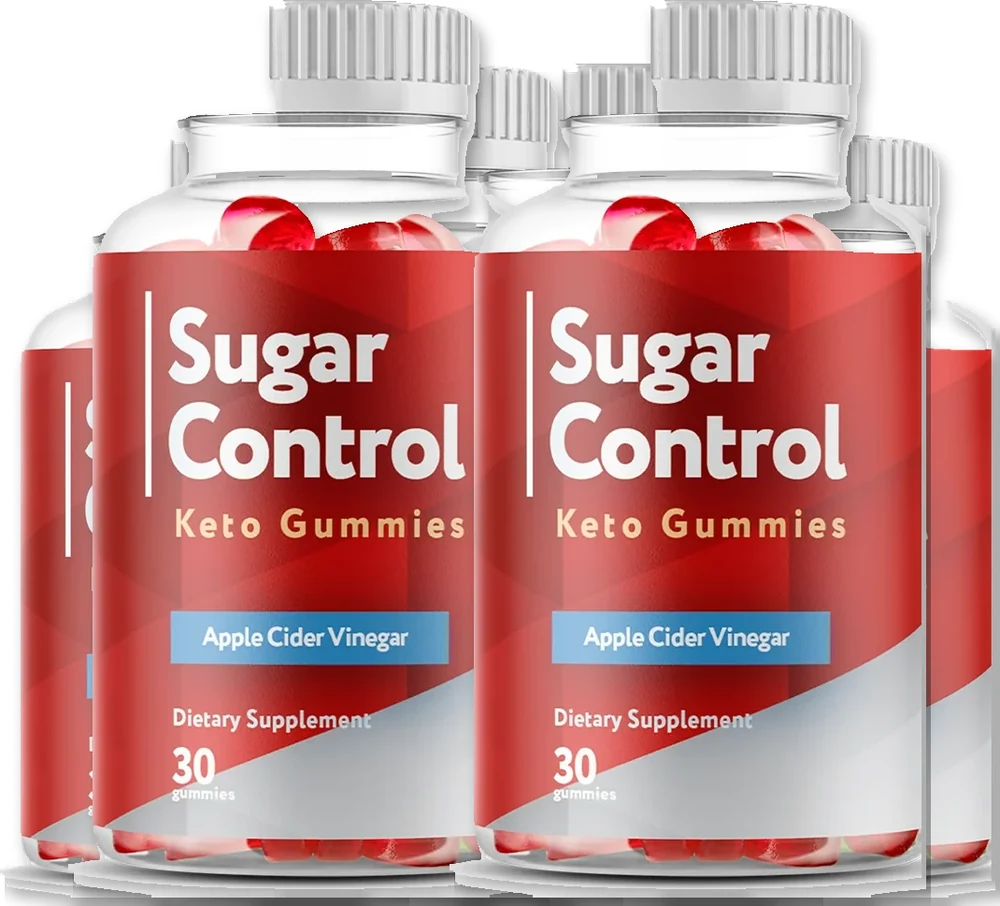
SugarControl is an apple cider vinegar gummy with cinnamon bark, grape and goji berry rather than a gymnema or fenugreek capsule. Supply sizes, shipping and the guarantee window are all set by the manufacturer and shown at their own checkout.
See Availability at the Official StoreThe three herbs compared on dose, format and evidence
Judged side by side, the differences that matter are not about exoticism but about what was given, how much, and how well the study was run.
| Herb | Named constituents | Amounts used in research | Usual retail format | Strength of human evidence |
|---|---|---|---|---|
| Gymnema sylvestre | Gymnemic acids | Leaf powder in grams, or extract standardised to gymnemic acids at a few hundred milligrams | Capsule, tablet, occasionally a chewable or tea | Weak on glucose markers; the taste effect is well established |
| Bitter melon | Charantin, polypeptide-p, vicine | Around 2 grams a day of dried fruit, or fresh juice | Capsule, dried powder, juice | Tested reasonably well and frequently no better than placebo |
| Fenugreek | Galactomannan fibre, 4-hydroxyisoleucine | Roughly 5 to 10 grams of seed powder a day | Loose seed, powder, capsules, tea | The most consistent of the three, though trials remain small |
| Cinnamon (for comparison) | Cinnamaldehyde, polyphenols | Usually 1 to 6 grams a day of bark powder | Kitchen spice, capsule, gummy | Genuinely mixed; several assessments found the evidence insufficient |
Read the third column against the fourth and the pattern is unmissable. Every one of these plants was studied in grams, and grams do not fit into a capsule that is already carrying eight other names.

Where blood sugar herbs supplements go wrong on dose
Most blood sugar herbs supplements fail on arithmetic long before anyone gets to argue about efficacy. A typical formula lists ten to fifteen botanicals inside a proprietary blend with a single total weight of perhaps 500 or 900 milligrams. If gymnema, bitter melon, fenugreek, cinnamon, banaba, milk thistle and juniper are all sharing that total, each is present at a few tens of milligrams. The research used grams. The gap is not a matter of degree; it is two orders of magnitude.
This is why long ingredient lists should reduce your confidence rather than raise it. A formula with fifteen names is not fifteen times more likely to help; it is a formula that has spread a fixed capsule volume across fifteen search terms. The most useful filter when comparing blood sugar herbs supplements is to discard anything that hides its amounts inside a blend, then compare what is left against the numbers in the table above.
With a botanical, the format is the dose. A gram-range plant sold in milligram-range packaging is not a milder version of the same thing; it is a different product borrowing the same name.
The second filter is standardisation. An extract described as standardised to a stated percentage of gymnemic acids tells you something specific; one described only as gymnema leaf extract tells you almost nothing, because potency varies with harvest, plant part and extraction method. Anyone hunting for the best blood sugar balance supplement should treat those two disclosures, amount and standardisation, as the entry requirement.
Safety: the part herb marketing skips
Natural does not mean inert, and these three plants have real cautions attached.
Bitter melon seeds contain vicine, which can trigger a haemolytic reaction in people with G6PD deficiency, an inherited condition that is common in parts of the Mediterranean, Africa and Asia. Bitter melon has traditional use as an abortifacient and should be avoided in pregnancy or when trying to conceive. Fenugreek carries similar pregnancy cautions, may affect blood clotting, and belongs to the legume family, so people with chickpea or peanut allergy should be careful. It is also responsible for a harmless but conspicuous maple-syrup odour in sweat and urine that catches many people by surprise.
All three share the same central caution: they are sold precisely because they may influence blood sugar, so combining them with prescribed medicine that does the same thing is a route to readings going too low. That conversation belongs with a doctor or pharmacist before the first capsule, not after a bad afternoon. Anyone with surgery scheduled should stop well in advance, since both bitter melon and fenugreek can complicate glucose and clotting management around an operation.
What these herbs cannot do
They cannot treat, cure, prevent or reverse diabetes or any other disease. Dietary supplements are not medicines, they are not assessed by the FDA before sale, and nothing in the traditional record changes either fact.
They cannot replace prescribed medication. Reducing or stopping a prescription because a herb is on board is genuinely dangerous and is a decision only the prescribing clinician can make.
They cannot substitute for the boring foundations. Carbohydrate quality, portion size, fibre intake, sleep, muscle mass and daily movement move glucose numbers by amounts no botanical in this article has ever matched in a trial.
And they cannot be judged from a label that will not print an amount. If you take one practical rule from this piece, that is the one, and it applies whether you are comparing the best blood sugar supplement lists online or reading a panel in a pharmacy aisle.
How this compares with an apple cider vinegar gummy
SugarControl takes a different route: apple cider vinegar as the headline ingredient, with cinnamon bark, grape polyphenols and goji berry alongside it. The evidence pattern is familiar, and we have written up the vinegar and cinnamon research in our evidence piece on those two ingredients. Our main SugarControl page sets out what is on that label and says plainly where an amount is not published.
If you want the ingredient in this category with the largest modern trial base, that is not a herb at all — it is an isolated alkaloid, which we cover in what the research on berberine actually shows. And if you are simply comparing formats and wondering where to buy keto gummies without paying for a list of names you cannot verify, the same test applies: buy the one that prints the number.
Frequently asked questions
Which blood sugar herb has the best evidence behind it?
None of the three is well established. Fenugreek probably has the most consistent human data, largely because a big part of its effect comes from soluble fibre, which behaves predictably. Gymnema has the most striking demonstrated effect, the temporary blocking of sweet taste, but very little modern trial evidence on glucose markers. Bitter melon has been tested more rigorously than the other two and has often come out no better than placebo.
Does gymnema really stop you tasting sugar?
Yes, and it is easy to demonstrate. Gymnemic acids bind to the sweet taste receptors on the tongue and temporarily block them, so sugar tastes like sand for anywhere from fifteen minutes to about an hour. That effect is real and reproducible. It is a taste effect, not a metabolic one, and it only happens if the herb touches your tongue.
How much of these herbs did the studies actually use?
Mostly gram quantities of powdered seed or leaf, not milligrams. Fenugreek trials commonly used around 5 to 10 grams of seed powder a day, bitter melon trials around 2 grams of dried fruit, and gymnema studies used either a leaf powder in grams or a standardised extract of a few hundred milligrams. A capsule sharing space with a dozen other ingredients cannot hold those amounts.
Who should avoid these herbs?
Anyone who is pregnant or trying to conceive should avoid bitter melon and fenugreek, both of which have traditional and laboratory associations with uterine stimulation. People with G6PD deficiency should avoid bitter melon seeds. Anyone taking medicine that lowers blood sugar, or medicine that affects blood clotting, should speak to a clinician first, and everyone should stop before planned surgery.
Scientific references
- NIH National Center for Complementary and Integrative Health — Diabetes and Dietary Supplements: What the Science Says
- PubMed — randomised controlled trials of bitter melon and glucose markers
- PubMed — fenugreek seed trials and glycaemic outcomes
- Harvard T.H. Chan School of Public Health — Fiber
- Mayo Clinic — Carbohydrates: How carbs fit into a healthy diet
Not medical advice. These statements have not been evaluated by the FDA. This product is not intended to diagnose, treat, cure or prevent any disease. Speak to a clinician before changing anything about how you manage your blood sugar.
Check the current SugarControl supply options
Stock, shipping terms and the guarantee window are set by the manufacturer and shown at their own checkout, which is the only place to confirm what a bundle currently costs.
Go to the Official SugarControl Store