Alpha-Lipoic Acid and Blood Sugar: What the Evidence Actually Shows
Quick answer: does alpha-lipoic acid help blood sugar?
Alpha-lipoic acid is an antioxidant the body makes and researchers have studied for insulin sensitivity and diabetic nerve discomfort. Trials show small, inconsistent improvements in glucose markers and clearer relief of burning and tingling nerve symptoms, usually at 300 to 600 milligrams a day. It is genuine support, not a cure or a substitute for prescribed care.
- Typical dose: 300 to 600 milligrams a day, taken on an empty stomach for better absorption.
- Strongest evidence: reduced nerve discomfort, from trials such as ALADIN and SYDNEY 2.
- Honest verdict: plausible metabolic support, modest and mixed effect on blood sugar itself.
Search the label of almost any modern glucose formula and you will find alpha-lipoic acid somewhere on it, often abbreviated to ALA and printed beside berberine and chromium. The reason the alpha lipoic acid blood sugar pairing keeps appearing is that this compound sits at a genuine crossroads in metabolism, acting both as an antioxidant and as a helper in the chemistry that turns food into energy. What is less clear from the marketing is how large the effect actually is, how it differs between nerve discomfort and glucose control, and where the honest limits lie. This article walks through what has been measured, what dose was used, and what the research still cannot promise.
What alpha-lipoic acid actually is
Alpha-lipoic acid, sometimes written as thioctic acid, is a sulphur-containing compound that every human cell produces in small amounts. Its day job is inside the mitochondria, the tiny power plants of the cell, where it works as a cofactor for enzymes that break down glucose and amino acids to release energy. Because the body makes its own supply, it is not classed as an essential nutrient in the way a vitamin is, and there is no official recommended intake for it.
What makes it interesting to supplement researchers is a second property. Alpha-lipoic acid is one of the few antioxidants that is both water-soluble and fat-soluble, which means it can operate in almost any part of the cell rather than being confined to a watery or an oily compartment. It also helps regenerate other antioxidants, including vitamins C and E and the body's own glutathione. That broad reach is why it earned the nickname "the universal antioxidant" and why it drew attention in conditions where oxidative stress is thought to play a part, including the complications of long-term high blood sugar.
There is one detail on the label worth understanding before comparing products. Lipoic acid comes in two mirror-image forms, called R and S. The R-form is the one the body makes and uses, while most cheap supplements sell a 50/50 racemic mixture of both. Some studies suggest the R-form is better absorbed, though the majority of the clinical trials people cite actually used the racemic version, so the research base and the premium marketing do not perfectly overlap.
Does alpha-lipoic acid lower blood sugar?
This is the claim that sells bottles, so it deserves a careful answer. A number of randomised controlled trials have given alpha-lipoic acid to people with impaired glucose handling and measured fasting glucose, insulin and markers of insulin sensitivity. When the results are pooled, several meta-analyses report a small but statistically detectable reduction in fasting glucose and in insulin resistance scores. That is a real signal, and it points in the direction the mechanism would predict. A 2018 meta-analysis in Metabolism pooling randomised trials of alpha-lipoic acid supplementation found small but detectable reductions in fasting glucose and insulin resistance across the studies it could combine.
The honest caveats matter just as much. The individual trials are mostly small, the follow-up is usually short, and the size of the average effect is modest rather than dramatic. Some studies show a clear change and others show almost nothing, which is the classic footprint of a supporting ingredient rather than a powerful drug. The intravenous studies, where alpha-lipoic acid is delivered straight into the bloodstream at high concentrations, tend to show sharper metabolic effects than the oral capsules most people can actually buy, and that gap is easy to gloss over in an advert.
The most useful way to read this literature is the same way you would read the evidence for what the research shows on berberine for blood sugar: a plausible, measurable, but limited benefit that works best as a top-up to the things that move glucose the most, namely food choices, movement, sleep and, where prescribed, medication. Alpha-lipoic acid is not a lever that overrides those. It is a smaller dial layered on top of them.

Alpha-lipoic acid and diabetic nerve discomfort
If glucose control is the weaker half of the evidence, nerve discomfort is the stronger half. Long-running high blood sugar can damage the small nerves of the hands and feet, producing burning, tingling, numbness and prickling sensations that doctors call peripheral neuropathy. Because oxidative stress is thought to contribute to that nerve damage, alpha-lipoic acid became a natural candidate to test, and here the trials are larger and more consistent.
The best-known studies are worth naming. The ALADIN trials tested intravenous alpha-lipoic acid and reported meaningful reductions in nerve symptoms. The SYDNEY 2 trial then showed that an oral dose of 600 milligrams a day improved burning, numbness and prickling in people with diabetic neuropathy, with limited extra benefit from pushing the dose higher. The larger NATHAN 1 study, which ran for four years, found improvements in some measures of nerve function even if it did not hit every endpoint. Taken together, that is a more solid body of evidence than most single supplement ingredients can point to, and the MedlinePlus monograph on alpha-lipoic acid summarises the same trial record alongside the doses used.
Two honest boundaries apply. First, this is symptom relief, not repair: the research supports easing the discomfort, not regrowing the nerve or reversing the underlying condition. Second, not everyone responds, and the people studied were under medical supervision for a diagnosed complication. That is very different from a healthy person taking a gummy as general insurance. It is support for a specific, measured problem, and it should be discussed with a clinician rather than self-prescribed in place of care.
See what is on the SugarControl panel
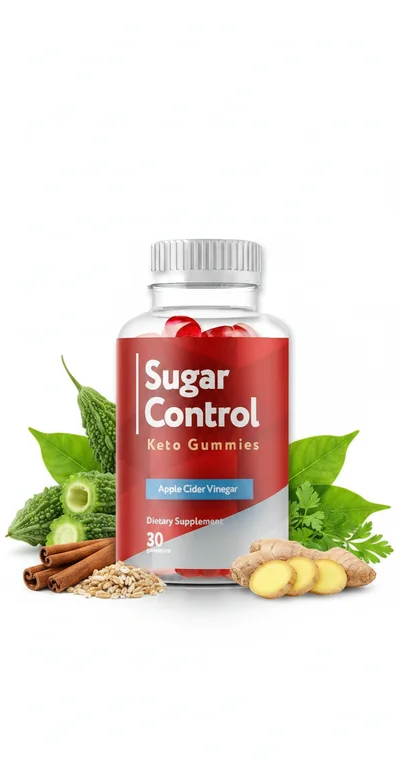
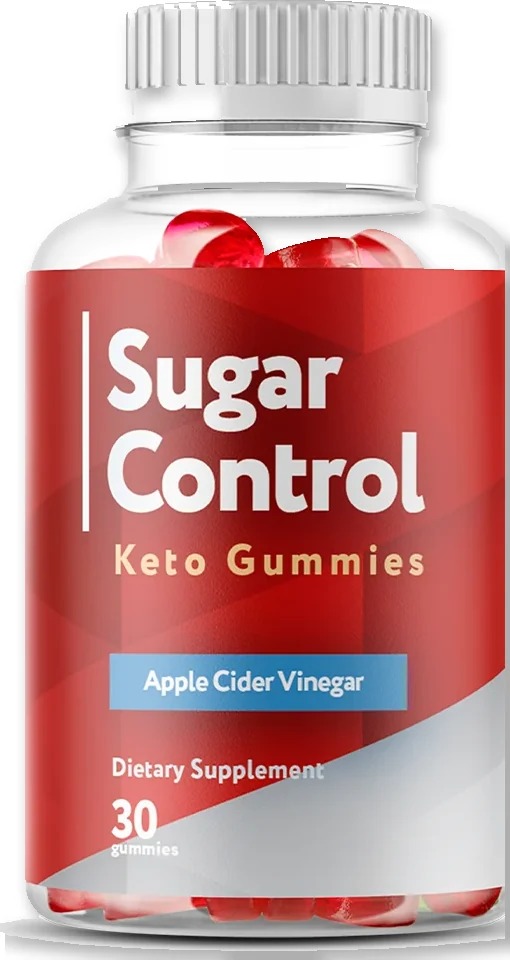
SugarControl is an apple cider vinegar gummy built around cinnamon, grape and goji berry rather than an alpha-lipoic acid capsule, and its full Supplement Facts panel is printed on the bottle. Supply sizes, shipping and the guarantee window are set by the manufacturer at their own checkout.
See Availability at the Official StoreTypical alpha-lipoic acid dosage and how to take it
Across the human studies, the working range is remarkably consistent: 300 to 600 milligrams a day. The lower end appears in general metabolic studies, while 600 milligrams a day is the dose that dominates the nerve-discomfort trials and is widely treated as the practical ceiling for everyday use, because larger amounts have not reliably added benefit and do raise the chance of stomach upset. There is no official recommended intake, since the body makes its own, so these figures come from research rather than from a nutrition authority.
Timing changes absorption more than people expect. Alpha-lipoic acid is absorbed better on an empty stomach, so it is usually taken around 30 minutes before a meal. Food, and especially a large meal, blunts how much reaches the bloodstream. The compound is also cleared quickly, which is why some regimens split the dose or use the R-form in the hope of a steadier level. The short table below sets out the practical differences you will meet on a label.
| Form or pattern | Relative absorption | Amounts used in research | Where you see it | Notes |
|---|---|---|---|---|
| Racemic (R/S) alpha-lipoic acid | Standard | 300 to 600 mg a day | Most capsules and blends | The form used in the majority of trials |
| R-alpha-lipoic acid | Reported higher | Often lower listed dose | Premium single-ingredient products | Better uptake claimed; fewer large trials |
| Sustained-release | Slower, steadier | Varies by product | Newer formulations | Aims to offset rapid clearance |
| Taken on empty stomach | Better than with food | Same total dose | Common label instruction | Roughly 30 minutes before eating |
| Inside a proprietary blend | Unknown | Amount not disclosed | Cheap multi-ingredient tubs | Cannot be compared to research |
The last row is the one to watch. If alpha-lipoic acid is buried inside a blend with a single combined weight, you have no way of knowing whether the capsule holds a research-relevant 300 milligrams or a token sprinkle, and no way to judge whether it can plausibly do anything at all. As with every ingredient we cover, the number on the panel is what makes a fair comparison possible, and its absence is a reason to be sceptical.
Safety, side effects and who should be careful
At the doses studied, alpha-lipoic acid has a good tolerability record. The most common complaints are mild and gut-related: nausea, an upset stomach or a rash, more likely at the higher end of the range or when taken with a large meal. Because it can nudge glucose downward, the main safety point is not the compound on its own but what it is stacked with.
The clearest concern is hypoglycaemia. Anyone taking insulin or other glucose-lowering medication needs to know that adding an ingredient that pushes in the same direction can, in theory, drive blood sugar too low. That is a reason to monitor readings and to involve a clinician, not a reason to stop prescribed treatment. There is also a rare condition called insulin autoimmune syndrome, reported more often in certain East Asian populations with a particular genetic marker, which has been linked to alpha-lipoic acid and can cause sudden low blood sugar. It is uncommon, but it is real and worth naming honestly. NCCIH's overview of diabetes and dietary supplements makes the same point about layering a supplement on top of prescribed glucose-lowering treatment. What the evidence does not show is that alpha-lipoic acid lowers HbA1c enough to replace any of it.
Beyond that, high-dose alpha-lipoic acid has not been well studied in pregnancy or breastfeeding, so it is generally avoided there, and people with thyroid conditions or those on medication should check for interactions. None of this makes it a dangerous ingredient. It makes it an ingredient that deserves the same caution you would give anything that touches blood sugar, especially in combination.
An ingredient can have a solid trial behind it for one use, a thin one for another, and still be worth understanding on both counts. Alpha-lipoic acid is exactly that split: stronger for nerve discomfort, softer for glucose numbers.
Pairing alpha-lipoic acid with berberine and chromium
Alpha-lipoic acid is rarely sold as a soloist. It is most often built into a stack alongside berberine, which has the most impressive glucose data of the common botanicals, and chromium, the trace mineral tied to insulin signalling. The logic of the combination is that each ingredient works through a slightly different route, so together they might cover more ground than any one alone. It is a reasonable hypothesis, and it is also mostly untested as a specific combination, because trials fund single ingredients far more often than they fund blends.
Two practical points follow. First, stacking ingredients that all lean on blood sugar sharpens the low-glucose caution above, particularly for anyone on medication, so combining alpha-lipoic acid with berberine is something to raise with a clinician rather than assume is automatically safe, since the documented berberine supplement benefits lean on the same glucose pathway. Second, the arithmetic on the label matters even more in a blend, because a product can list four exciting names and dose all of them below the amounts that were actually studied. If you want to see how the individual candidates stack up before judging any combination, our roundup of supplements to lower blood sugar that actually have data lays out where the evidence is strong and where it thins out.

Where an apple cider vinegar gummy fits
SugarControl does not lead with alpha-lipoic acid. It is an apple cider vinegar gummy built around cinnamon bark, grape polyphenols and goji berry, and the honest framing is the same one that applies to ALA: modest supporting ingredients arranged around a diet and routine that do the heavy lifting. Our SugarControl ingredient breakdown sets out exactly what is on that label, and flags where an amount is not published, because an unquantified ingredient cannot be compared to any trial. If you are weighing formats, treat a gummy the way you would treat an alpha-lipoic acid capsule: read the form, read the dose, and buy the product that prints the number rather than the one that hides it.
The broader takeaway is straightforward. Alpha-lipoic acid is a genuinely interesting compound with a strong case for easing nerve discomfort and a softer, real-but-modest case for supporting glucose control. It is support, not a cure, it works best on top of the fundamentals, and it belongs in a conversation with a clinician if you are already managing your blood sugar with medication.
Frequently asked questions
Does alpha-lipoic acid lower blood sugar?
Some randomised trials report small improvements in fasting glucose and insulin sensitivity when alpha-lipoic acid is added on top of usual care, but the results are mixed and the average effect is modest. It is best described as plausible supporting evidence rather than a reliable way to lower blood sugar, and it is not a replacement for diet, exercise or prescribed medication.
What is the recommended alpha-lipoic acid dosage?
Most human studies used 300 to 600 milligrams a day, usually taken on an empty stomach about half an hour before a meal because food reduces absorption. Doses at the higher end of that range are the ones most often studied for nerve discomfort. There is no official recommended intake because alpha-lipoic acid is made by the body and is not an essential nutrient.
Can alpha-lipoic acid help nerve discomfort?
This is the strongest part of its evidence base. Several trials, including the intravenous ALADIN and oral SYDNEY 2 studies, reported reduced burning, tingling and numbness in people with diabetic nerve symptoms, mostly at 600 milligrams a day. The effect is symptom relief rather than repair of the nerve, and not everyone responds, so it is support and not a cure.
Is it safe to combine ALA with berberine?
Both are commonly stacked together and no dangerous interaction between them is established, but each can nudge glucose downward, so combining them alongside diabetes medication raises the theoretical risk of blood sugar dropping too low. Anyone taking glucose-lowering drugs should monitor their readings and speak to a clinician before adding either ingredient.
Scientific references
- NIH Office of Dietary Supplements — dietary supplement fact sheets
- PubMed — randomised trials of alpha-lipoic acid and insulin sensitivity
- PubMed — ALADIN, SYDNEY and NATHAN neuropathy trials
- Mayo Clinic — Diabetic neuropathy: symptoms and causes
- MedlinePlus — Alpha-lipoic acid: uses, safety and interactions
Not medical advice. These statements have not been evaluated by the FDA. This product is not intended to diagnose, treat, cure or prevent any disease. Speak to a clinician before changing anything about how you manage your blood sugar, especially if you take medication.
Compare the SugarControl supply options
Everything that changes week to week — stock, shipping and the guarantee window — is set by the manufacturer and shown at their own checkout, which is also the only place to confirm the apple cider vinegar gummies price.
Go to the Official SugarControl Store